Month
- April 2026
- March 2026
- February 2026
- January 2026
- December 2025
- November 2025
- October 2025
- September 2025
- August 2025
- July 2025
- June 2025
- May 2025
- April 2025
- March 2025
- February 2025
- January 2025
- December 2024
- November 2024
- October 2024
- September 2024
- August 2024
- May 2024
- December 2023
- November 2023
- October 2023
- September 2023
- August 2023
- July 2023
- June 2023
- May 2023
- April 2023
- March 2023
- February 2023
- January 2023
- December 2022
- November 2022
- October 2022
- September 2022
- August 2022
- July 2022
- June 2022
- May 2022
- April 2022
- March 2022
- February 2022
- January 2022
- December 2021
- November 2021
- October 2021
- September 2021
- August 2021
- July 2021
- June 2021
- May 2021
- April 2021
- March 2021
- February 2021
- January 2021
- December 2020
- November 2020
- October 2020
- September 2020
- August 2020
- July 2020
- June 2020
- May 2020
- April 2020
- March 2020
- February 2020
- January 2020
- December 2019
- November 2019
- October 2019
- September 2019
- August 2019
- July 2019
- June 2019
- May 2019
- April 2019
- March 2019
- January 2019
- December 2018
- November 2018
- October 2018
- September 2018
- August 2018
- July 2018
- June 2018
- May 2018
- April 2018
- March 2018
- February 2018
- January 2018
- December 2017
- November 2017
- October 2017
- September 2017
- August 2017
- July 2017
- June 2017
- May 2017
- April 2017
- March 2017
- February 2017
- January 2017
- December 2016
- November 2016
- October 2016
- September 2016
- August 2016
- June 2016
- May 2016
- April 2016
- March 2016
- February 2016
- January 2016
- May 2015
- May 2014


![[Report] NYSEAN Conference on Academic and Intellectual Freedom in Southeast Asia and United States](https://images.squarespace-cdn.com/content/v1/657a0c3cd9317f7b22ebbb67/1762803341679-6TPMNYUF3UJHWPMDB7UU/1.png)

CSIS Podcast: Quick Deals, Lasting Dread - Trump 2.0 in Southeast Asia with Greg Poling
In this episode of Southeast Asia Radio, produced by the Center for Strategic and International Studies (CSIS), Gregory B. Poling and Elina Noor discuss Greg’s section of the recent CSIS compendium, “Navigating Disruption: Ally and Partner Responses to U.S. Foreign Policy.” The podcast also covers the latest from Southeast Asia, from protests to contaminated shrimp.
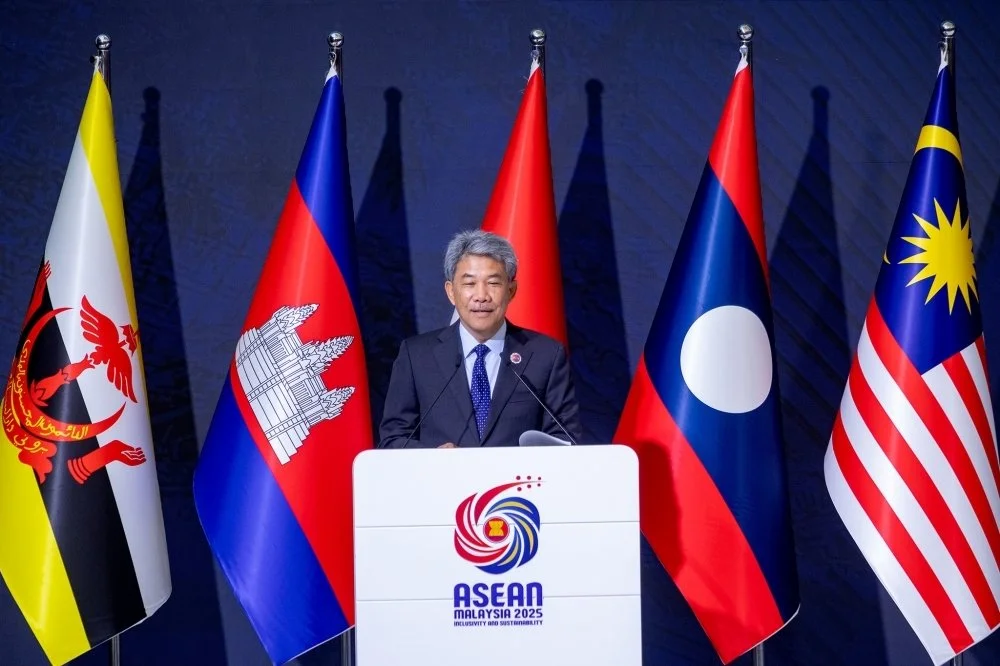
ASEAN Leads Response to the Threat of Global Economic Disorder
In an article for East Asia Forum, Shiro Armstrong discusses Trump’s “Liberation Day” tariffs and ASEAN’s response, where the latter avoided retaliation, which would worsen economic consequences, and instead communicated a coordinated, non-retaliatory response to the tariffs.

This ‘Privacy Browser’ Has Dangerous Hidden Features
In an article for WIRED, Matt Burgess writes about the Universe Browser, which promises to be the “fastest browser” and can avoid privacy leaks. However, research shows hidden elements of this browser include features similar to malware, with links to Chinese online gambling websites and Southeast Asia’s sprawling, multibillion-dollar cybercrime ecosystem.

Fil-Am Educator and Journalist Feted with Lifetime Achievement Award
In an article for BusinessMirror, Troi Santos highlights Noel Pangilinan, an educator, journalist, and member of the Fil-Am Press Club of New York, who recently received the Lifetime Achievement Award for his long service to education, journalism, and the promotion of Filipino heritage in the United States.
Call for Collaborators on AI Governance in Southeast Asia
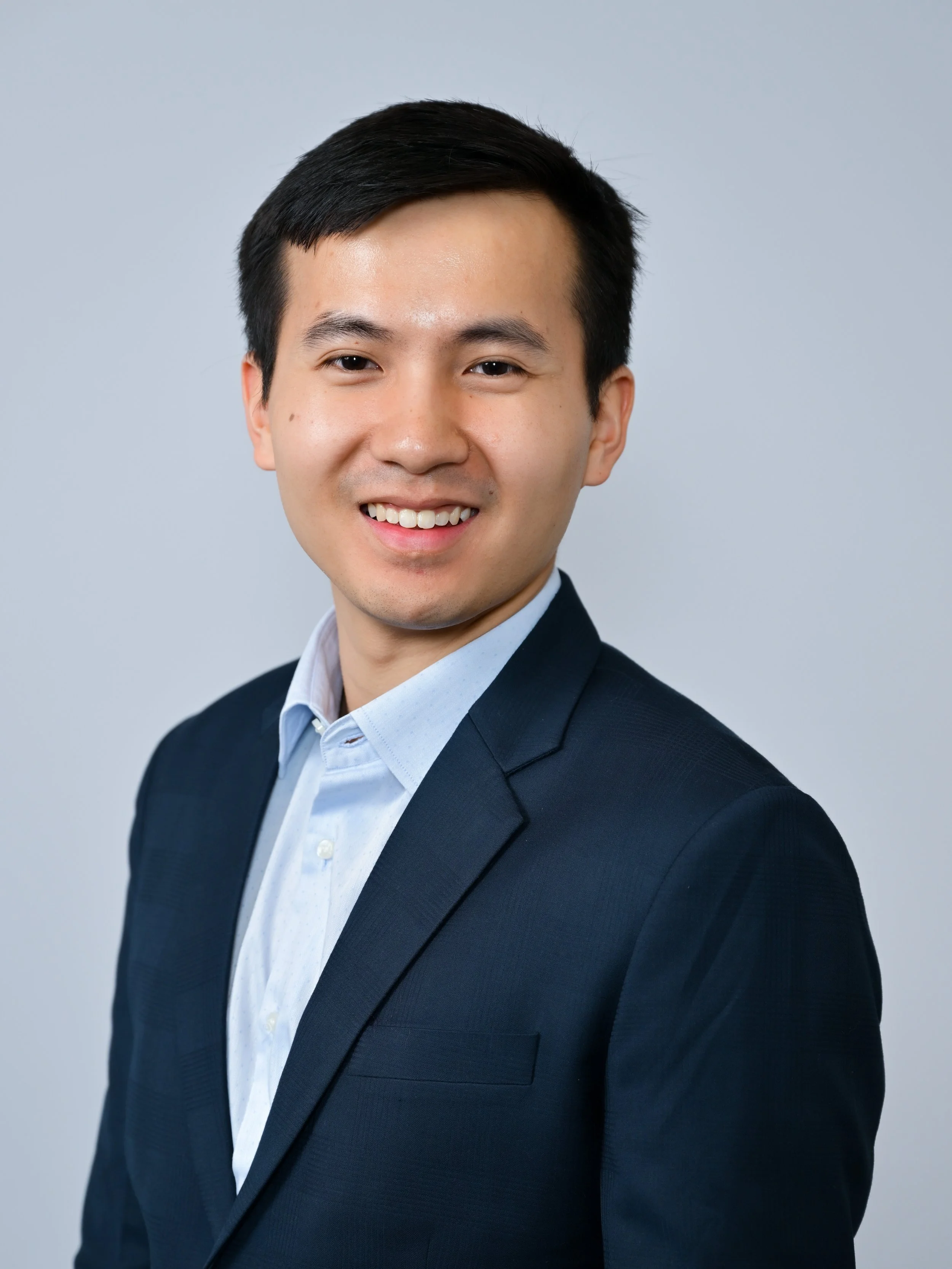
Haakon Huynh (Columbia University) is seeking collaborators for ongoing research on artificial intelligence (AI) governance in Southeast Asia. His recent working paper, “Digital Sovereignty or Dependency? The Political Economy of AI Infrastructure in Vietnam,” examines how Vietnam governs AI infrastructure amid growing foreign investment from firms like NVIDIA.
Haakon welcomes contact from scholars, practitioners, and students interested in AI policy, digital infrastructure, or the political economy of technology in the region.
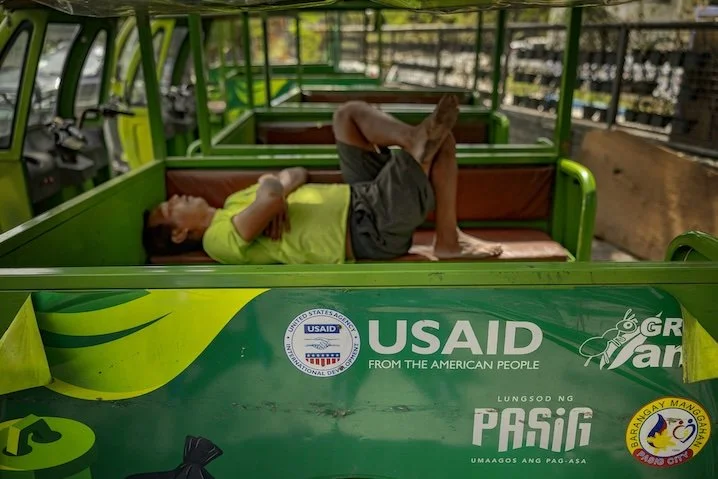
ISEAS Perspective: Recalibrating Southeast Asia’s Climate and Energy Strategies Amid US Policy Shifts
In this paper published by NYSEAN Partner ISEAS – Yusof Ishak Institute, Angel Hsu and Silvia Landa discuss how the US government has withdrawn both domestically and globally from climate and clean energy engagement. This withdrawal has been marked by a dismantling of foreign development assistance, proposed rollbacks of the Inflation Reduction Act, and aggressive tariffs. They assert that these policy shifts undermine the possibility of bilateral clean energy and climate collaboration with Southeast Asian nations.
![[Recording] From Vulnerability to Vision: Redefining Development in the Age of Climate Change](https://images.squarespace-cdn.com/content/v1/657a0c3cd9317f7b22ebbb67/1761280404344-YK67QOIZWT6CPE6JAKQW/loren-legarda_2022-09-06_10-45-45-2980157239.jpg)
[Recording] From Vulnerability to Vision: Redefining Development in the Age of Climate Change
Senator Loren Legarda, a four-term senator and passionate environmentalist, has spent much of her years in the Senate authoring landmark laws for environmental protection. Speaking on how bold governance can unlock the Philippines’ vast potential for building a sustainable future, she touches on her role in enacting conservation measures in the country. She also elaborates on upcoming measures to safeguard the country’s oceans and coastal livelihoods, protect biodiversity, and facilitate compliance markets in the 20th Congress.
CSIS Podcast: Thai Politics Update with Ken Mathis Lohatepanont
In this episode of Southeast Asia Radio, produced by the Center for Strategic and International Studies (CSIS), Gregory B. Poling and Elina Noor are joined by Ken Mathis Lohatepanont to discuss the latest updates from Thailand, including the new Bhumjaithai-led government, the fate of the Shinawatras, and the snap elections scheduled in early 2026.

EU’s Role in Strengthening Secondary Powers in the Indo-Pacific Amid US Leadership Uncertainties
In an article for the Torino World Affairs Institute’s Indo-Pacific Outlooks, Pongphisoot Paul Busbarat and Thanawit Wangpuchakane argue that the EU can play an indispensable role in reinforcing the agency of Indo-Pacific secondary powers, such as Japan, South Korea, Australia, India, and ASEAN. Through a series of cooperative, inclusive, multilateral frameworks, the EU can help maintain the liberal order, stabilizing the region at a time of a growing leadership vacuum in the Indo-Pacific.
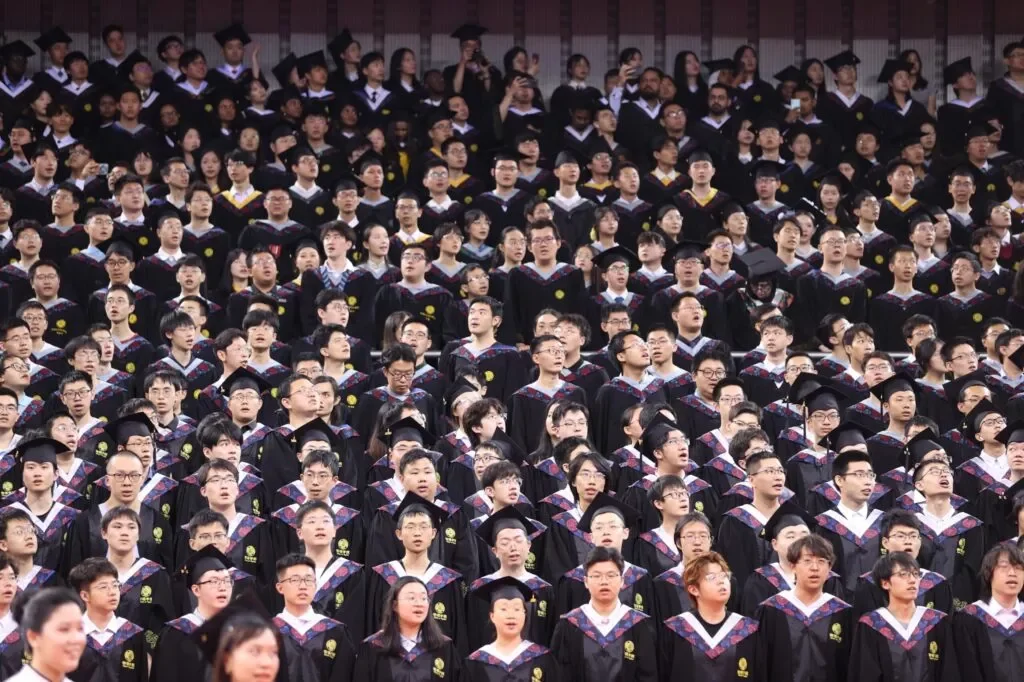
The Great Rebalancing of Area Studies
In an article for East Asia Forum, Gerhard Hoffstaedter discusses China's rising influence over area studies, particularly in Southeast Asia. What was once an area dominated by Western scholars has shifted, in light of funding cuts and shifting government priorities by the US, UK, EU, and Australia. The shift towards Chinese advancements in this area constitutes a fundamental rebalancing of global knowledge production with profound geopolitical implications.
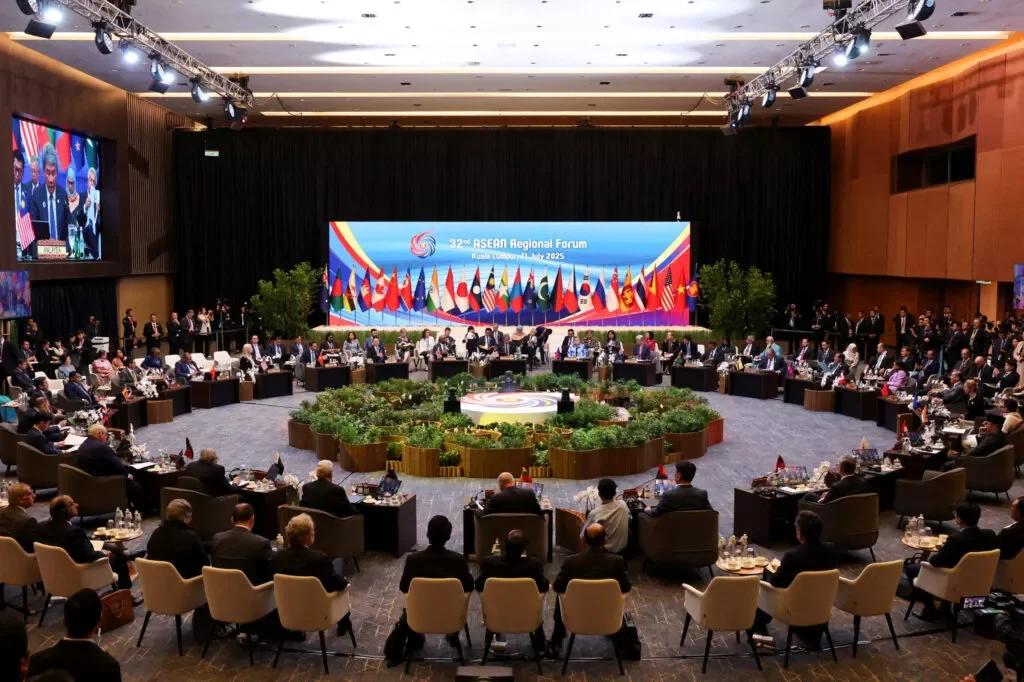
ASEAN Must Help to Fill the Global Leadership Vacuum to Protect its Regional Backyard
In an article by East Asia Forum, Mari Pangestu and Julia Tijaja discuss the need for ASEAN to strengthen regional resilience in light of geopolitical tensions and the negative effects of US tariffs on the region's economy. By deepening regional integration, fully implementing RCEP, coordinating and addressing reforms and priorities, ASEAN may turn these issues into an opportunity for growth and leadership.