
Month
- February 2026
- January 2026
- December 2025
- November 2025
- October 2025
- September 2025
- August 2025
- July 2025
- June 2025
- May 2025
- April 2025
- March 2025
- February 2025
- January 2025
- December 2024
- November 2024
- October 2024
- September 2024
- August 2024
- May 2024
- December 2023
- November 2023
- October 2023
- September 2023
- August 2023
- July 2023
- June 2023
- May 2023
- April 2023
- March 2023
- February 2023
- January 2023
- December 2022
- November 2022
- October 2022
- September 2022
- August 2022
- July 2022
- June 2022
- May 2022
- April 2022
- March 2022
- February 2022
- January 2022
- December 2021
- November 2021
- October 2021
- September 2021
- August 2021
- July 2021
- June 2021
- May 2021
- April 2021
- March 2021
- February 2021
- January 2021
- December 2020
- November 2020
- October 2020
- September 2020
- August 2020
- July 2020
- June 2020
- May 2020
- April 2020
- March 2020
- February 2020
- January 2020
- December 2019
- November 2019
- October 2019
- September 2019
- August 2019
- July 2019
- June 2019
- May 2019
- April 2019
- March 2019
- January 2019
- December 2018
- November 2018
- October 2018
- September 2018
- August 2018
- July 2018
- June 2018
- May 2018
- April 2018
- March 2018
- February 2018
- January 2018
- December 2017
- November 2017
- October 2017
- September 2017
- August 2017
- July 2017
- June 2017
- May 2017
- April 2017
- March 2017
- February 2017
- January 2017
- December 2016
- November 2016
- October 2016
- September 2016
- August 2016
- June 2016
- May 2016
- April 2016
- March 2016
- February 2016
- January 2016
- May 2015
- May 2014
Showmanship or Statecraft: Trump Returns to ASEAN
In a brief by the Asia Society Policy Institute, Bryanna Entwistle and Shay Wester cover President Trump’s first stop on his Asia tour: the ASEAN Leaders' Summit in Kuala Lumpur. On the sidelines, he presided over the signing of a number of deals, including a ceasefire deal between Thailand and Cambodia, and “reciprocal trade” deals with Malaysia and Cambodia, respectively.
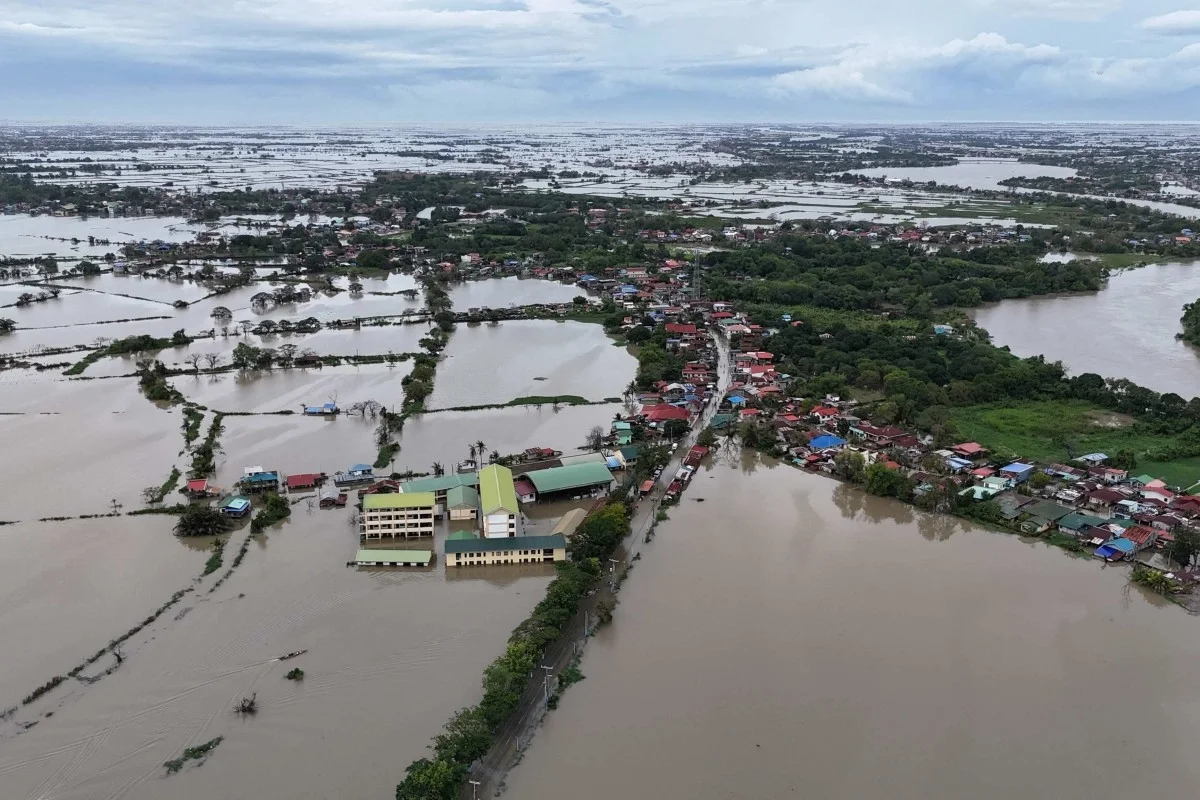
Flood-Control Fiasco: A Policy Reckoning for Accountability in the Philippines’ Climate Risk Governance
In an article for the University of the Philippines, Weena Gera discusses the flood control controversies in the Philippines, where billions in infrastructure budget and government funds were plundered by public works contractors, leading to "ghost projects."

Wave of Cambodian Casinos Suspended after Prince Sanctions
In an article for Mekong Independent, Ly Lin and Danielle Keeton-Olsen discuss the license suspensions of more than a dozen casinos in Cambodia, several of which are suspected of involvement in spiraling global scam operations, following international sanctions and mounting pressure. Some of the casinos on the list of 14 suspensions have links to the recently sanctioned entities, such as Cambodian Heng Xin Real Estate Investment Co. Ltd., and Jin Bei Group Co. Ltd.
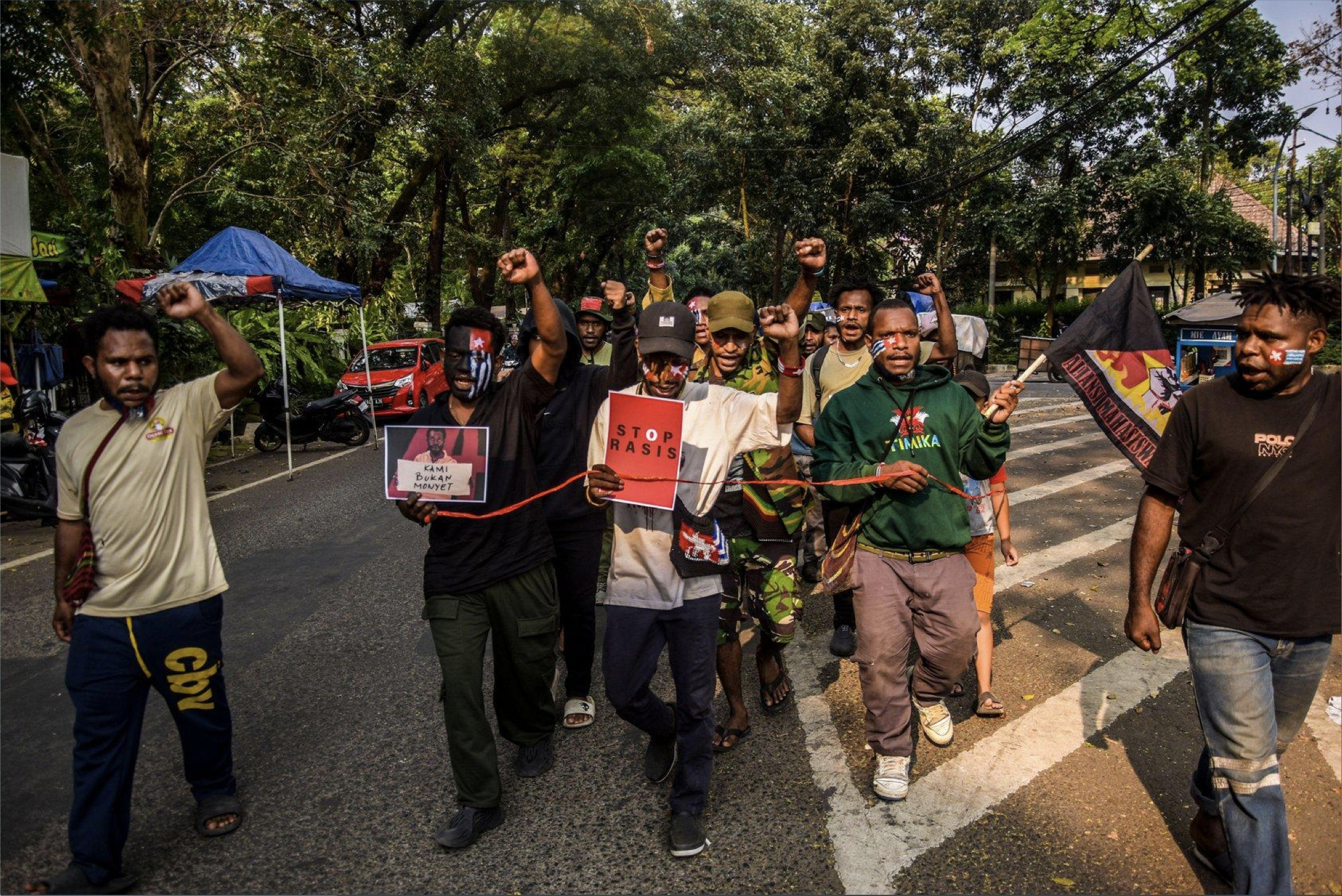
Major Developments and Worsening Risks for Mass Atrocities in Papua, Indonesia
In a report for the Early Warning Project, Made Supriatma discusses the risk of mass atrocities against Indigenous Papuans in Papua, Indonesia. Despite developments in the region's administrative structure, increased military presence, and revived transmigration and food estate development programs, marginalization still fuels Papuan nationalism.

Sub-regional Coordination is the Cure for ASEAN’s Health Divide
In an article for East Asia Forum, Ronald Tundang discusses gaps in ASEAN's health systems, which leave millions without reliable access to essential medicines. Tundang proposes that, to bridge regional gaps, ASEAN's least developed countries could follow the "ASEAN Minus X" model to establish a sub-regional facility, combining a patent-licensing hub with pooled procurement, which would facilitate WTO-compliant licensing, aggregate demand, and uphold quality benchmarks.
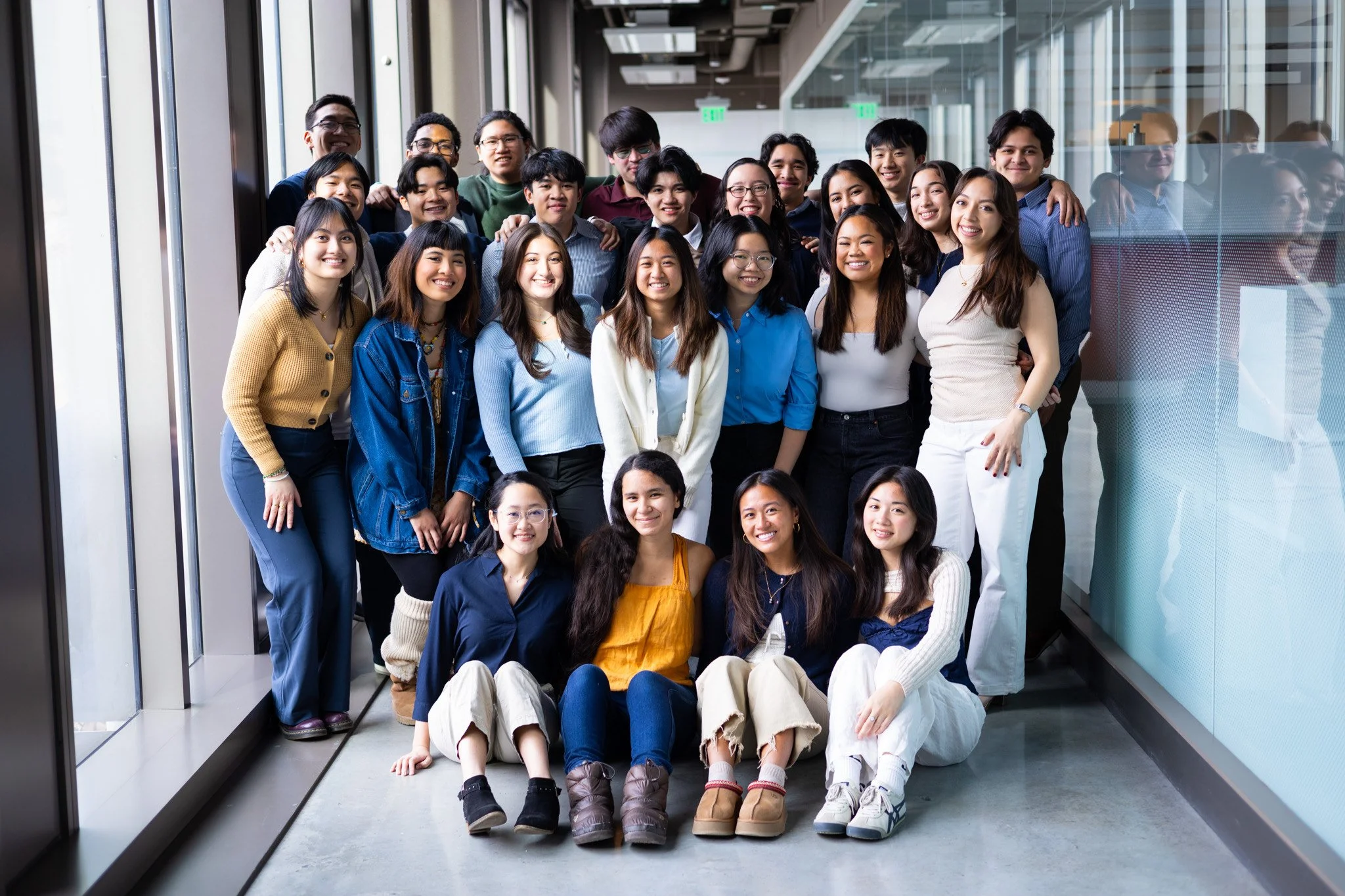
Filipino@Brown: A Conversation with Anna Zulueta and Alexa Theodoropoulos
In an article for the Association for Asian Studies, Anna Zulueta and Alexa Theodoropoulos enter into a dialogue about the legacies of colonization and authoritarian rule, and how in spaces like Brown University, where the absence of Filipino representation persists, linguistic representation and curricular reforms are the first steps in rectifying historical injustices.




![[Report] NYSEAN Conference on Academic and Intellectual Freedom in Southeast Asia and United States](https://images.squarespace-cdn.com/content/v1/657a0c3cd9317f7b22ebbb67/1762803341679-6TPMNYUF3UJHWPMDB7UU/1.png)
![[Recording] States Against Nations: Meritocracy, Patronage, and the Challenges of Bureaucratic Selection](https://images.squarespace-cdn.com/content/v1/657a0c3cd9317f7b22ebbb67/1762634037608-ONWW60MGCV2GK30UVV5C/1016+Nick+Kuipers+Horizontal+Flyer.png)
[Recording] States Against Nations: Meritocracy, Patronage, and the Challenges of Bureaucratic Selection
Nicholas Kuipers discusses his new book, States Against Nations (Cambridge University Press, 2025), specifically how Indonesia's civil service examination is a method of bureaucratic selection. Despite its meritocratic measures, Kuipers asserts that these exams can reinforce existing inequalities within society. Drawing on large-scale surveys, experiments, and archival documents, States Against Nations provides a thought-provoking perspective on the challenges of bureaucratic recruitment and unearths the tension between state- and nation-building goals.
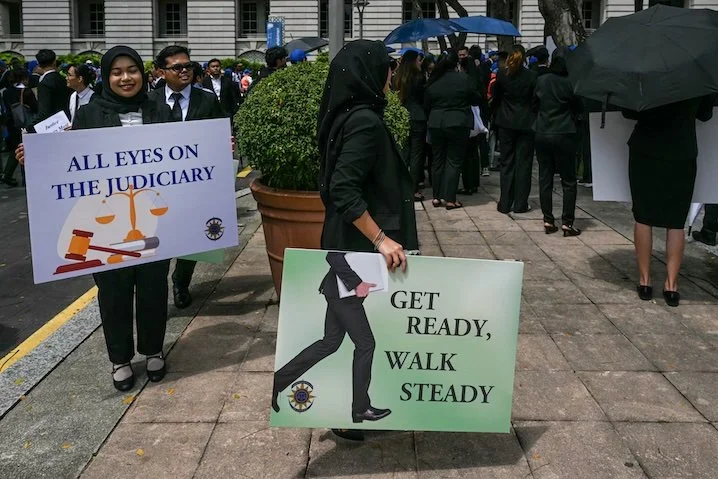
ISEAS Perspective: Challenges to Judicial Independence in Malaysia
In this paper published by NYSEAN Partner ISEAS – Yusof Ishak Institute, Shad Saleem Faruqi asserts that Malaysia’s judiciary must be independent to carry out a range of vital duties, including: protecting the Constitution, keeping the government within the remit of its functions, and mediating disputes between the state and citizens, as well as between citizens.
Shad Saleem Faruqi is a Malaysian legal scholar and professor of law at the University of Malaya, currently holding the Tunku Abdul Rahman Chair as Professor of Constitutional Law. He is also the fourth holder of the Tun Hussein Onn Chair in International Studies at the Institute of Strategic and International Studies Malaysia effective July 2019 to June 2021.