
Month
- June 2026
- May 2026
- April 2026
- March 2026
- February 2026
- January 2026
- December 2025
- November 2025
- October 2025
- September 2025
- August 2025
- July 2025
- June 2025
- May 2025
- April 2025
- March 2025
- February 2025
- January 2025
- December 2024
- November 2024
- October 2024
- September 2024
- August 2024
- May 2024
- December 2023
- November 2023
- October 2023
- September 2023
- August 2023
- July 2023
- June 2023
- May 2023
- April 2023
- March 2023
- February 2023
- January 2023
- December 2022
- November 2022
- October 2022
- September 2022
- August 2022
- July 2022
- June 2022
- May 2022
- April 2022
- March 2022
- February 2022
- January 2022
- December 2021
- November 2021
- October 2021
- September 2021
- August 2021
- July 2021
- June 2021
- May 2021
- April 2021
- March 2021
- February 2021
- January 2021
- December 2020
- November 2020
- October 2020
- September 2020
- August 2020
- July 2020
- June 2020
- May 2020
- April 2020
- March 2020
- February 2020
- January 2020
- December 2019
- November 2019
- October 2019
- September 2019
- August 2019
- July 2019
- June 2019
- May 2019
- April 2019
- March 2019
- January 2019
- December 2018
- November 2018
- October 2018
- September 2018
- August 2018
- July 2018
- June 2018
- May 2018
- April 2018
- March 2018
- February 2018
- January 2018
- December 2017
- November 2017
- October 2017
- September 2017
- August 2017
- July 2017
- June 2017
- May 2017
- April 2017
- March 2017
- February 2017
- January 2017
- December 2016
- November 2016
- October 2016
- September 2016
- August 2016
- June 2016
- May 2016
- April 2016
- March 2016
- February 2016
- January 2016
- May 2015
- May 2014
![[Recording] Bad Lieutenants: The Khmer Rouge United Front and Class Struggle 1970-1977](https://images.squarespace-cdn.com/content/v1/657a0c3cd9317f7b22ebbb67/1770233972862-IEJ81UP9O5SQU2S5G1ZE/sddefault.jpg)
[Recording] Bad Lieutenants: The Khmer Rouge United Front and Class Struggle 1970-1977
Andrew Mertha, Director of the China Global Research Center at the Johns Hopkins University School of Advanced International Studies, discusses his new book. Bad Lieutenants explores the surprising endurance of the Khmer Rouge as a political force in Cambodia for decades after Vietnam’s 1979 invasion. How did the Khmer Rouge retain power, and why were they ultimately unsuccessful in forming a legitimate governing structure? What role did their leadership and political strategies play in their success and failures?

Gatty Lecture Rewind: Analyn Salvador-Amores, Department of Anthropology, University of the Philippines Baguio
In this episode of Gatty Lecture Rewind, the host Namfon Narumol Choochan interviews Analyn Salvador-Amores (Ikin), Professor of Anthropology and former Director of the Museo Kordilyera at the University of the Philippines Baguio. Together, they discuss how the recent tourism trend has revitalized Kalinga tattoos, a tradition of the ethnolinguistic group in Buscalan village, northern Luzon, Philippines. Having conducted anthropological research on traditional tattoos for over 30 years, Professor Ikin provides nuanced insights into how tourism has changed the village’s landscape, tattoo practices, and gender dynamics among tattoo practitioners.



Talking Indonesia Podcast: “Dirty Vote II o3”
In the ten months since the Free Nutritious Meals (Makan Bergizi Gratis, MBG) program was launched, more than 11,000 students and school staff have suffered food poisoning, including many severe cases. In this episode of Talking Indonesia, the host speaks with Dr. Irma Hidayana, a public health consultant and co-initiator of MBG Watch, an advocacy network promoting accountability in the Free Nutritious Meals program.

Gatty Lecture Rewind: Anocha Suwichakornpong, Associate Professor of Film, Columbia University
In this episode of Gatty Lecture Rewind, the host Namfon Narumol Choochan interviews “Mai” Anocha Suwichakornpong, independent filmmaker, producer, founder of Electric Eel Film, and Associate Professor of Film at Columbia University. They discuss how her previous and upcoming features have engaged with the politics of remembering and forgetting of state violence in Thai history.
Talking Indonesia Podcast: Free Nutritious Meals Program
In the ten months since the Free Nutritious Meals (Makan Bergizi Gratis, MBG) program was launched, more than 11,000 students and school staff have suffered food poisoning, including many severe cases. In this episode of Talking Indonesia, the host speaks with Dr. Irma Hidayana, a public health consultant and co-initiator of MBG Watch, an advocacy network promoting accountability in the Free Nutritious Meals program.
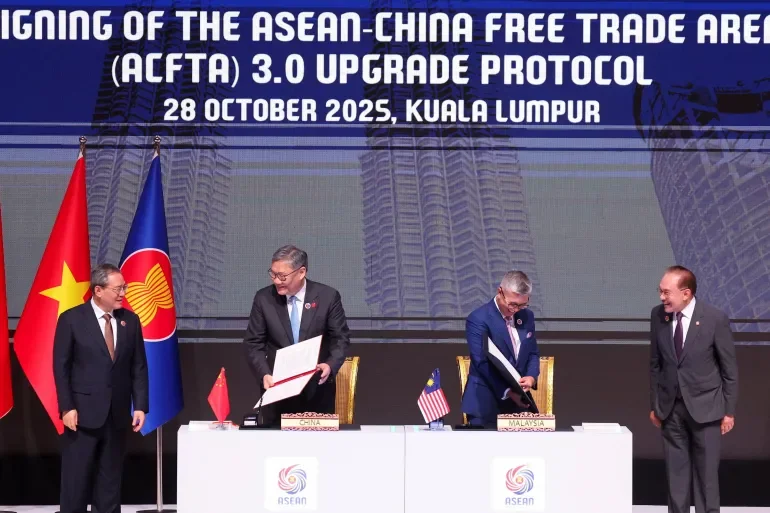
China, ASEAN Sign Enhanced Free Trade Pact amid Trump Tariffs
In an article for Al Jazeera, Erin Hale gives an overview of the upgraded ASEAN-China Free Trade Agreement, which will broaden collaboration on infrastructure, digital and green transitions, trade facilitation, and people to people exchanges, as trade between both parties grow under Trump's trade wars.
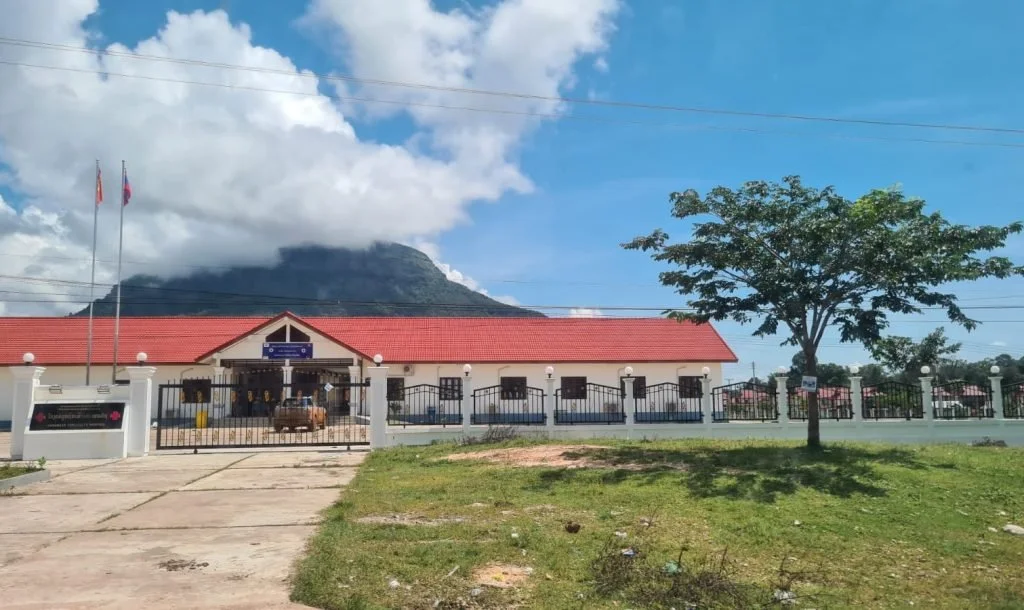
Laos’ Nurses as Vanguards of Public Health Care?
In an article for New Mandala, Amelie Katczynski reflects on Laos' internal public health developments, which pursues a vision of socialist health care that emerged during the Lao revolution. Yet, as challenges persist, Lao nursing students train to be vanguards of health development, training beyond nursing skills, playing the role of developing citizens and citizen-developers.

![[Recording] Domestic Nationalism: Muslim Women, Health and Modernity in Indonesia](https://images.squarespace-cdn.com/content/v1/657a0c3cd9317f7b22ebbb67/1763680045790-TT3SR1E62L6ASD3NFJ4N/sddefault-2.jpg)
[Recording] Domestic Nationalism: Muslim Women, Health and Modernity in Indonesia
Chiara Formichi discusses her new book, Domestic Nationalism (Stanford University Press, 2025), asserting that Muslim women in Java and Sumatra in the early to mid-20th century were central to Indonesia’s progress as guardians and promoters of health and piety through gendered activities of care work. While sidelined in the Dutch colonial project of hygienic modernity, women’s labor of social reproduction became increasingly visible during the Japanese Occupation and early years of independence. Women from all walks of life were called upon to fulfill domestic and motherly roles for the production and socialization of laborers, soldiers, and citizens.
This discussion was moderated by Sidney Jones and was hosted by NYSEAN.
![[Recording] Agbayani Worship: Mythmaking, Colonial Mentality, and the Problematics of a Filipino Captain America](https://images.squarespace-cdn.com/content/v1/657a0c3cd9317f7b22ebbb67/1763679449598-AP7KU29X4QGUQIFLPI44/maxresdefault.jpg)
[Recording] Agbayani Worship: Mythmaking, Colonial Mentality, and the Problematics of a Filipino Captain America
Vina Orden presents her essay published in CUNY FORUM Volume 11:1, examining how narratives in popular media can perpetuate or challenge existing power structures and colonial mentalities. Orden explores this through the complex dynamics behind the pop culture success of comics like “The United States of Captain America.” Her analysis delves into the diverse creative team behind these comics, including queer, Filipino, First Nation, and South African writers. And she critically questions whether Captain America, despite such diverse creative input, must still operate within a context of “imperial power dynamics” and the realities of the U.S. nation state.