Month
- January 2026
- December 2025
- November 2025
- October 2025
- September 2025
- August 2025
- July 2025
- June 2025
- May 2025
- April 2025
- March 2025
- February 2025
- January 2025
- December 2024
- November 2024
- October 2024
- September 2024
- August 2024
- May 2024
- December 2023
- November 2023
- October 2023
- September 2023
- August 2023
- July 2023
- June 2023
- May 2023
- April 2023
- March 2023
- February 2023
- January 2023
- December 2022
- November 2022
- October 2022
- September 2022
- August 2022
- July 2022
- June 2022
- May 2022
- April 2022
- March 2022
- February 2022
- January 2022
- December 2021
- November 2021
- October 2021
- September 2021
- August 2021
- July 2021
- June 2021
- May 2021
- April 2021
- March 2021
- February 2021
- January 2021
- December 2020
- November 2020
- October 2020
- September 2020
- August 2020
- July 2020
- June 2020
- May 2020
- April 2020
- March 2020
- February 2020
- January 2020
- December 2019
- November 2019
- October 2019
- September 2019
- August 2019
- July 2019
- June 2019
- May 2019
- April 2019
- March 2019
- January 2019
- December 2018
- November 2018
- October 2018
- September 2018
- August 2018
- July 2018
- June 2018
- May 2018
- April 2018
- March 2018
- February 2018
- January 2018
- December 2017
- November 2017
- October 2017
- September 2017
- August 2017
- July 2017
- June 2017
- May 2017
- April 2017
- March 2017
- February 2017
- January 2017
- December 2016
- November 2016
- October 2016
- September 2016
- August 2016
- June 2016
- May 2016
- April 2016
- March 2016
- February 2016
- January 2016
- May 2015
- May 2014
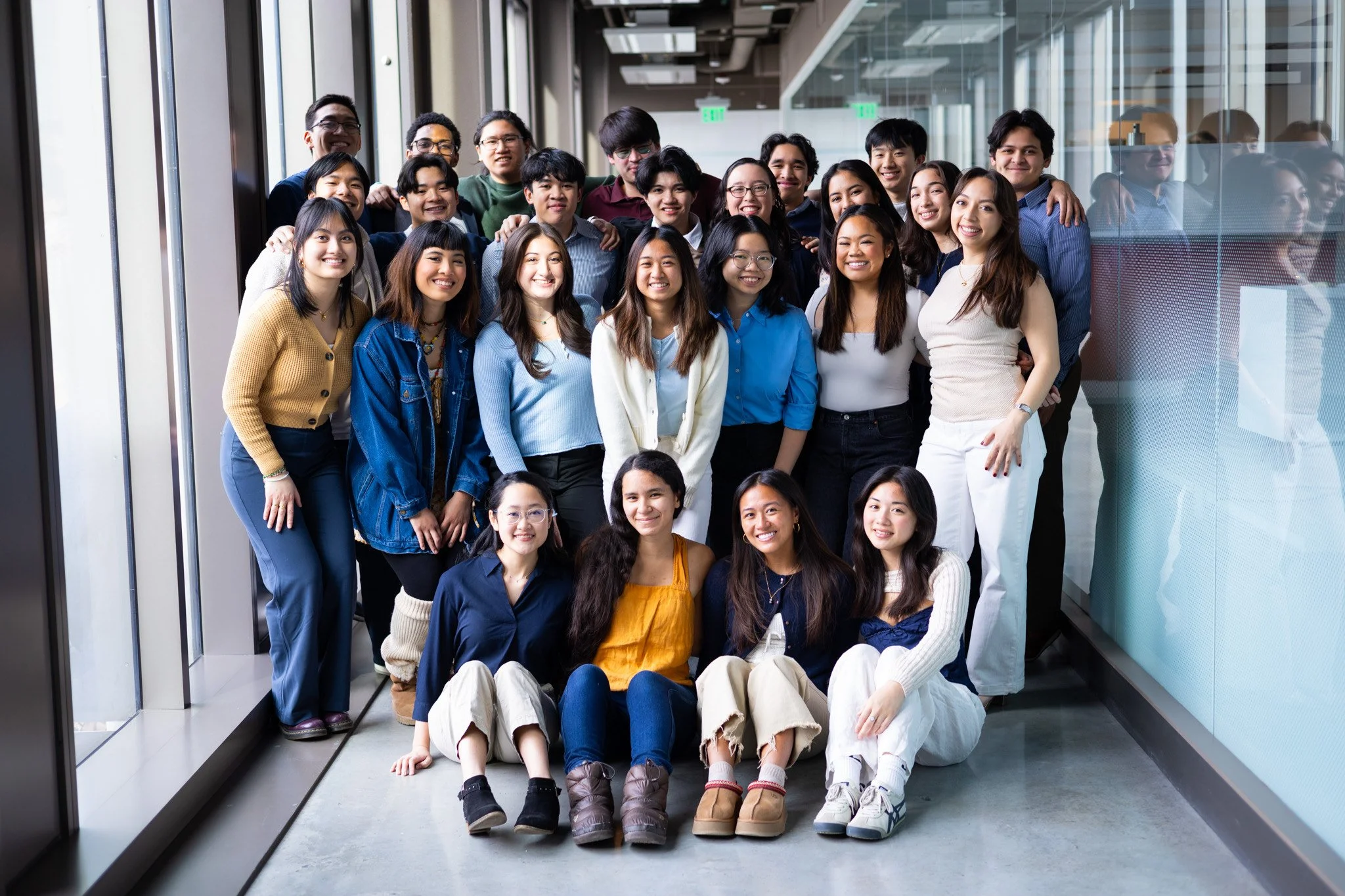
Filipino@Brown: A Conversation with Anna Zulueta and Alexa Theodoropoulos
In an article for the Association for Asian Studies, Anna Zulueta and Alexa Theodoropoulos enter into a dialogue about the legacies of colonization and authoritarian rule, and how in spaces like Brown University, where the absence of Filipino representation persists, linguistic representation and curricular reforms are the first steps in rectifying historical injustices.
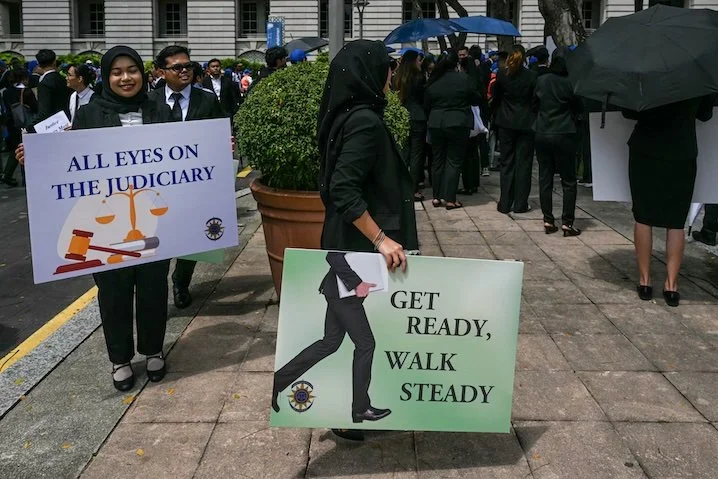
ISEAS Perspective: Challenges to Judicial Independence in Malaysia
In this paper published by NYSEAN Partner ISEAS – Yusof Ishak Institute, Shad Saleem Faruqi asserts that Malaysia’s judiciary must be independent to carry out a range of vital duties, including: protecting the Constitution, keeping the government within the remit of its functions, and mediating disputes between the state and citizens, as well as between citizens.
Shad Saleem Faruqi is a Malaysian legal scholar and professor of law at the University of Malaya, currently holding the Tunku Abdul Rahman Chair as Professor of Constitutional Law. He is also the fourth holder of the Tun Hussein Onn Chair in International Studies at the Institute of Strategic and International Studies Malaysia effective July 2019 to June 2021.

He Studied Elephant Behavior to Save Lives
In an article for the New York Times, Emily Anthes interviews Joshua Plotnik, who has been studying Asian elephant cognition for 20 years. In his research at Salakpra Wildlife Sanctuary Thailand, his team had created personality profiles to direct mitigation tactics toward each particular elephant's personality.
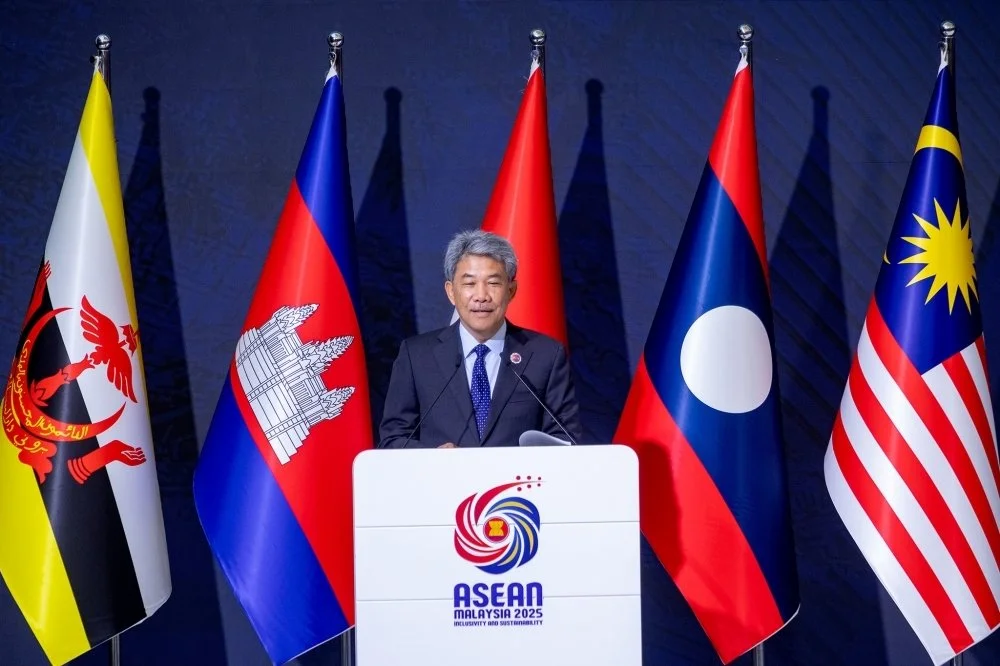
ASEAN Leads Response to the Threat of Global Economic Disorder
In an article for East Asia Forum, Shiro Armstrong discusses Trump’s “Liberation Day” tariffs and ASEAN’s response, where the latter avoided retaliation, which would worsen economic consequences, and instead communicated a coordinated, non-retaliatory response to the tariffs.

This ‘Privacy Browser’ Has Dangerous Hidden Features
In an article for WIRED, Matt Burgess writes about the Universe Browser, which promises to be the “fastest browser” and can avoid privacy leaks. However, research shows hidden elements of this browser include features similar to malware, with links to Chinese online gambling websites and Southeast Asia’s sprawling, multibillion-dollar cybercrime ecosystem.

Anguish for Residents as Thailand’s Most Polluting Coal Plant Gets New Lease of Life
In an article for Mekong Independent, Gerald Flynn discusses Thailand's decision to delay the decommissioning of several coal-fired units at the 2,400-megawatt Mao Moh power plant, which has sparked health related worries amongst the community, as the plant is Thailand's largest carbon dioxide pollution project.

Digital Sovereignty or Dependency? The Political Economy of AI Infrastructure in Vietnam
In a paper for SSRN (the Social Science Research Network), NYSEAN Member Haakon Huynh analyzes the political economy of AI infrastructure in Vietnam, focusing on how the Vietnamese state regulates data centers and cloud services while increasing reliance on foreign capital and expertise.
US $15 Billion Crackdown on Cambodian Scams
In an article for Asia Sentinel, Toh Han Shih discusses a US Department of Justice case involving an online scam allegedly operated by a Cambodian conglomerate, Prince Holding Group, and its founding chairman, Vincent Chen Zhi. The case constitutes a growing recognition of the nature of the cybercrime threat from Cambodia, which costs Americans up to $10 billion annually and produces hundreds of thousands of human trafficking victims across the world, particularly in the US, China, and the EU.

Fil-Am Educator and Journalist Feted with Lifetime Achievement Award
In an article for BusinessMirror, Troi Santos highlights Noel Pangilinan, an educator, journalist, and member of the Fil-Am Press Club of New York, who recently received the Lifetime Achievement Award for his long service to education, journalism, and the promotion of Filipino heritage in the United States.
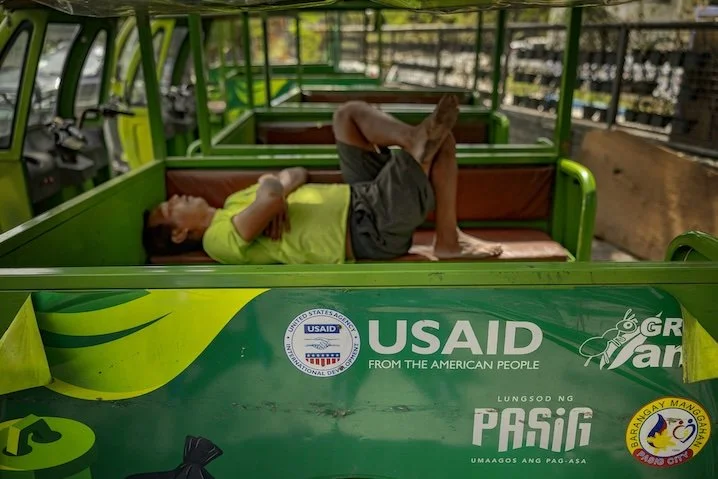
ISEAS Perspective: Recalibrating Southeast Asia’s Climate and Energy Strategies Amid US Policy Shifts
In this paper published by NYSEAN Partner ISEAS – Yusof Ishak Institute, Angel Hsu and Silvia Landa discuss how the US government has withdrawn both domestically and globally from climate and clean energy engagement. This withdrawal has been marked by a dismantling of foreign development assistance, proposed rollbacks of the Inflation Reduction Act, and aggressive tariffs. They assert that these policy shifts undermine the possibility of bilateral clean energy and climate collaboration with Southeast Asian nations.

EU’s Role in Strengthening Secondary Powers in the Indo-Pacific Amid US Leadership Uncertainties
In an article for the Torino World Affairs Institute’s Indo-Pacific Outlooks, Pongphisoot Paul Busbarat and Thanawit Wangpuchakane argue that the EU can play an indispensable role in reinforcing the agency of Indo-Pacific secondary powers, such as Japan, South Korea, Australia, India, and ASEAN. Through a series of cooperative, inclusive, multilateral frameworks, the EU can help maintain the liberal order, stabilizing the region at a time of a growing leadership vacuum in the Indo-Pacific.
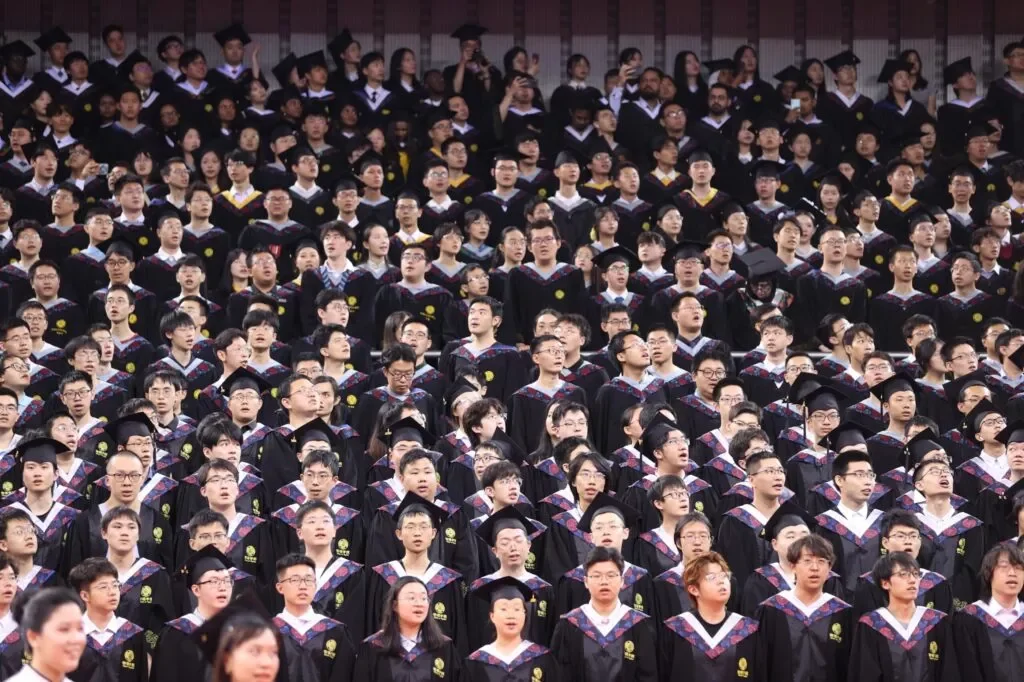
The Great Rebalancing of Area Studies
In an article for East Asia Forum, Gerhard Hoffstaedter discusses China's rising influence over area studies, particularly in Southeast Asia. What was once an area dominated by Western scholars has shifted, in light of funding cuts and shifting government priorities by the US, UK, EU, and Australia. The shift towards Chinese advancements in this area constitutes a fundamental rebalancing of global knowledge production with profound geopolitical implications.

Where was Dien Bien Phu? Oey Hong Lee’s Eventful Geography of Decolonization
In an article for the Journal of Historical Geography, Christian C. Lentz revisits mid-20th century Asia, particularly Southeast Asia, examining journalist, scholar-activist, and theorist Oey Hong Lee's book, Asia Won in Dien Bien Phu (1961). The article puts Asia Won in dialog with ideas of worldmaking, space-time, and eventful temporality to argue for an eventful geography of decolonization.

Legacies of War: Unhealed Wounds and the Deportation of Southeast Asian Refugees
Jonathan Lam's essay published in the Southeast Asia Digital Library examines the lasting legacy of the Vietnam War and the US Secret War in Southeast Asia, particularly the extensive bombing campaigns in Laos and Cambodia. The essay explores the devastation caused by US military intervention, the refugee and deportation crisis since the fall of Saigon, and how connections to these historical patterns of US imperialism continue to shape the lives of Southeast Asian diaspora communities today.
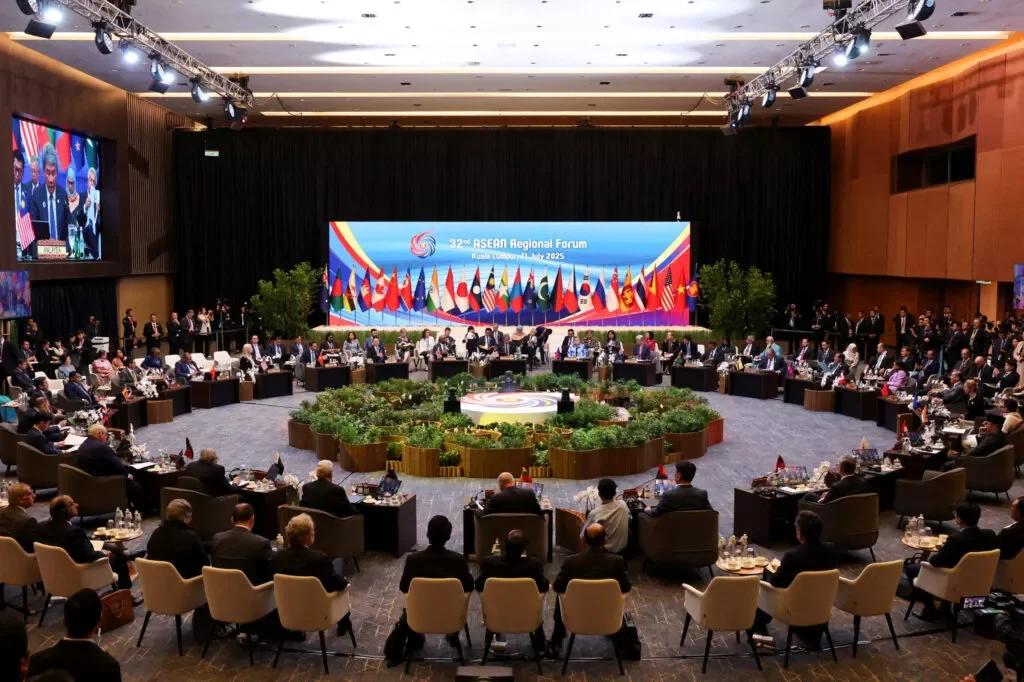
ASEAN Must Help to Fill the Global Leadership Vacuum to Protect its Regional Backyard
In an article by East Asia Forum, Mari Pangestu and Julia Tijaja discuss the need for ASEAN to strengthen regional resilience in light of geopolitical tensions and the negative effects of US tariffs on the region's economy. By deepening regional integration, fully implementing RCEP, coordinating and addressing reforms and priorities, ASEAN may turn these issues into an opportunity for growth and leadership.

New Thai Prime Minister, New Prospect for Restoring Cambodia-Thailand Relations?
In an article for Cambodianess, Him Rotha and Sreng Hengsal discuss what Anutin Charnvirakul's rise as Thailand's PM means for relations with Cambodia. Despite Anutin's willingness to resolve the dispute with Cambodia through "peaceful means" several constraints remain, such as Anutin's administration only lasting four months, and the prevalence of military influence in Thailand.

Cambodia’s New Airport Slowly Breaks a Rural Community
In an article for Mekong Independent, Phon Sothyroth brings to light the issues faced by the Canal 94 community, where residents have been fishing and farming for several decades. As Cambodia developed their new international airport, the community faced issues such as fishing grounds being cut off by construction, the lake being fenced off, and bureaucracy blocking these low-income rural residents from receiving land titles. Residents say the airport developments have left them trapped—they are unsure whether they will be evicted, but they lack money for the modern housing replacing their community.