What Counts as ‘Asian American Literature,’ Anyway?
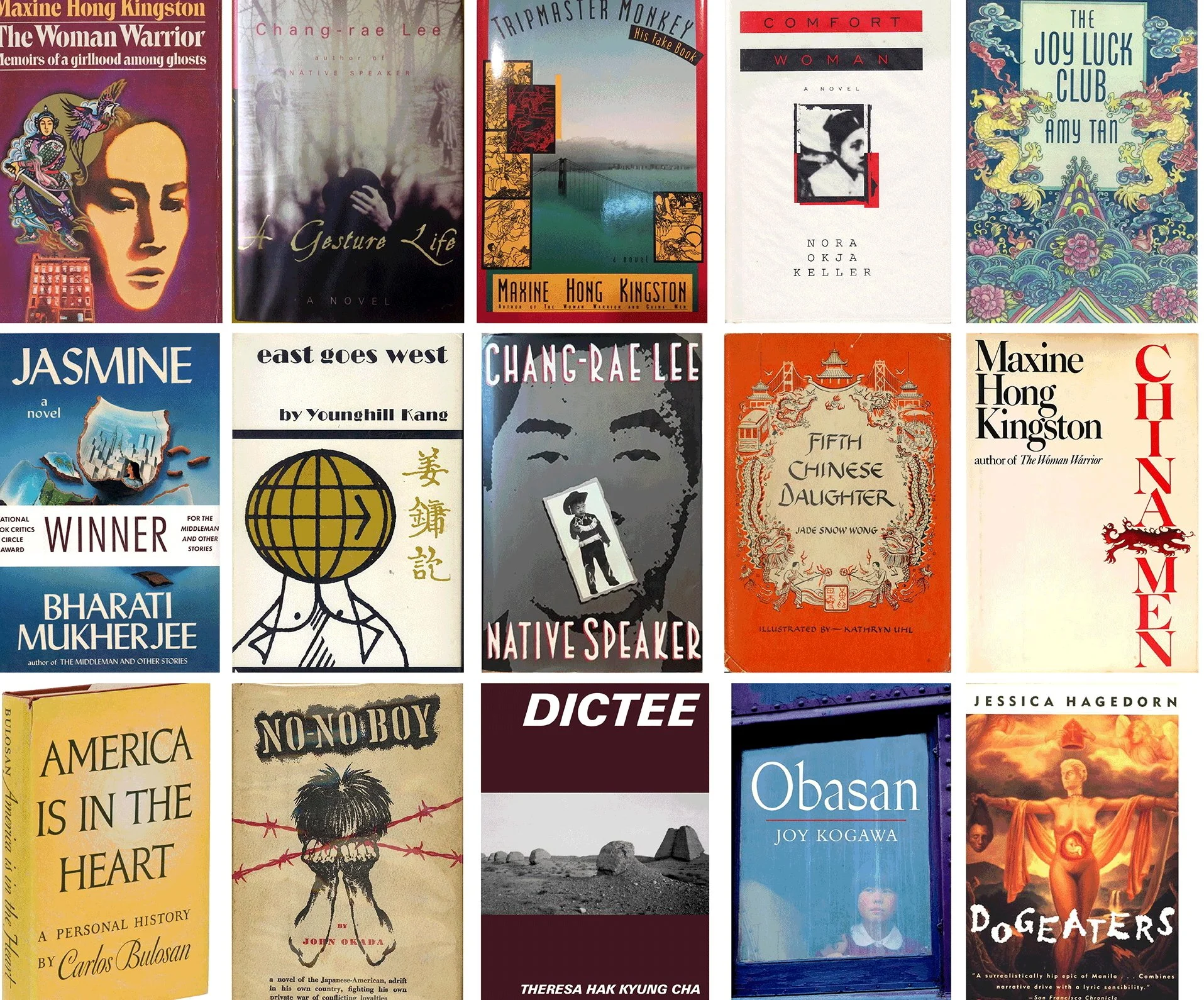
Some of the titles included in the dataset of the Asian American literary canon compiled by Long Le-Khac and his research assistants, Kate Hao and Taylor Huie.
In an article for UC Berkeley News, Lila Thulin discusses Long Le-Khac's 1,900-entry long database of Asian American literary canon. By gathering publications featuring the keyword “Asian American” or taking media from journals dedicated to Asian American studies, Le-Khac frames it as a chance for academics to audit what's considered the Asian American canon and see who might be missing or underrepresented.
Le-Khac said he hopes the dataset illuminates a central issue: “How has the canon of Asian American literature changed over time, as defined by the people who study it?”
That conclusion is bound to be complicated. The dataset starts in 1971 because the term “Asian American” didn’t exist until 1968, when two UC Berkeley student activists coined it as a way to unite various ethnic groups while rejecting old, exoticizing terms. Before that phrase took hold in popular culture, scholars started using it in their analysis; in doing so, they delineated what works got attention and “counted” as Asian American.
But different academics have varying definitions, said Le-Khac. One might deem anything created by an American writer of Asian descent “Asian American,” while another might say the content itself has to be about Asian American experiences, regardless of the creator’s background. If something adopts aesthetics traditionally associated with an Asian culture or responds to racist Orientalist tropes, like adaptations of Madame Butterfly, does that make it Asian American?