Under Prabowo, Indonesia is More Active Than Ever – But Less Free
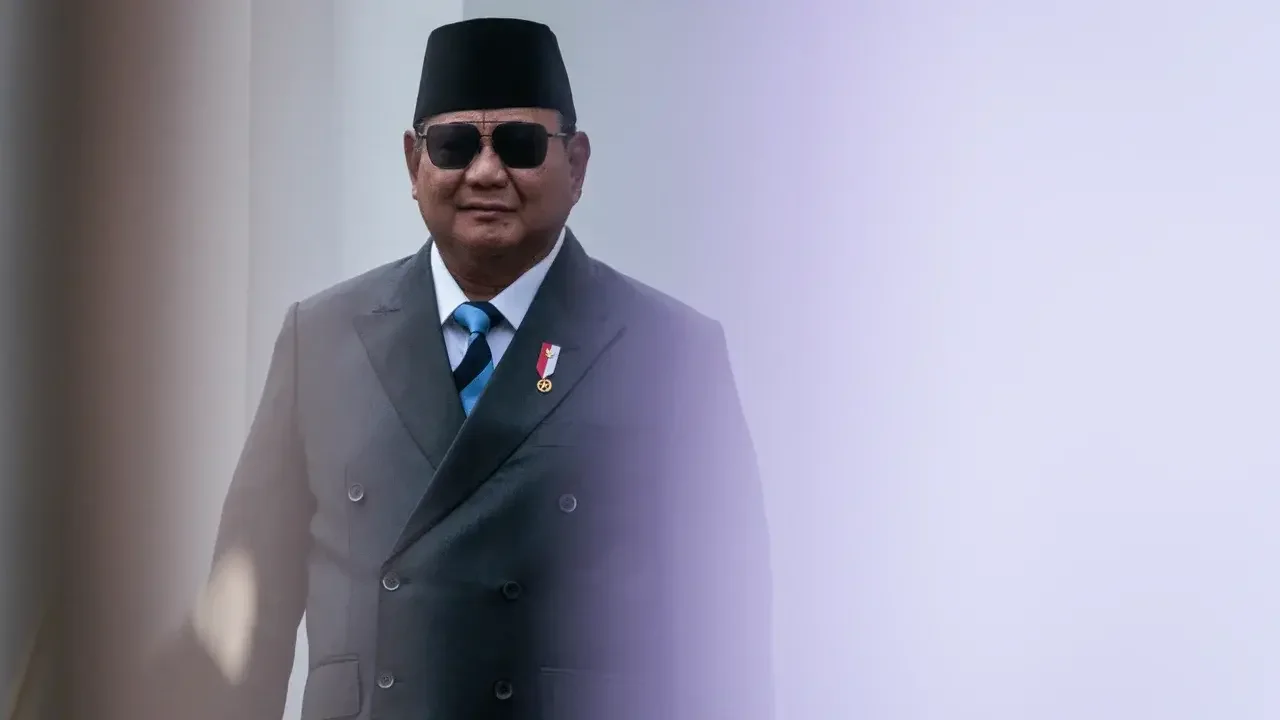
Indonesia's President Prabowo Subianto at the Merdeka Palace in Jakarta on July 2, 2026 | Yasuyoshi Chiba/AFP via Getty Images
In an article published by the Lowy Institute’s The Interpreter, Jessica C. Liao and Lucas Myers assert that although Indonesia has been increasing its diplomacy efforts, the country’s dependence on China is limiting Jakarta’s options.
Long before assuming the presidency, Prabowo Subianto cultivated a reputation as a champion of a more assertive, muscular Indonesian posture on the world stage. Standing on the stage to deliver his inauguration address before the People’s Consultative Assembly in Jakarta in October 2024, he reaffirmed his commitment to Indonesia’s traditional “free and active” (bebas dan aktif) foreign policy, vowing to elevate the nation’s standing while resisting being pressured or pushed around by stronger states.
Indonesia, Prabowo declared, would chart its own course on its own terms.
Nearly two years into his presidency, the “active” dimension of Prabowo’s posture is undeniable, bordering on what some describe as diplomatically “hyperactive” (hiperaktif). Since taking office in late 2024, he has visited nearly 30 countries, rivalling the travel volume of his predecessor, Joko “Jokowi” Widodo, over nearly a decade in power. Eager to project Jakarta as a leading powerbroker, Prabowo has touted himself as an aspiring mediator in conflicts from Ukraine to Gaza to Iran, steered Indonesia into BRICS membership, and maintained a constant presence across multilateral summits.
Yet, looking past the diplomatic theatre and headline-grabbing summits reveals an uncomfortable reality: Indonesia’s foreign policy may be more active, but it is increasingly constrained where it matters most: its relationship with Beijing.
Confronted by mounting domestic economic strains, Jakarta has steadily lost room to manoeuvre to an assertive China that provides critical capital while demanding deference on its own terms. Missteps in foreign policy have raised questions about Jakarta’s ability to maintain its non-alignment posture. While Indonesia continues to profess its bebasaktifdoctrine, successful hedging demands two vital assets Jakarta currently lacks: a disciplined resistance to external dependence and precise diplomatic signalling. Without them, growing concessions to Beijing threaten to hollow out Indonesia’s treasured strategic independence.