Tariffs and Scandals Tested Philippine Growth in 2025
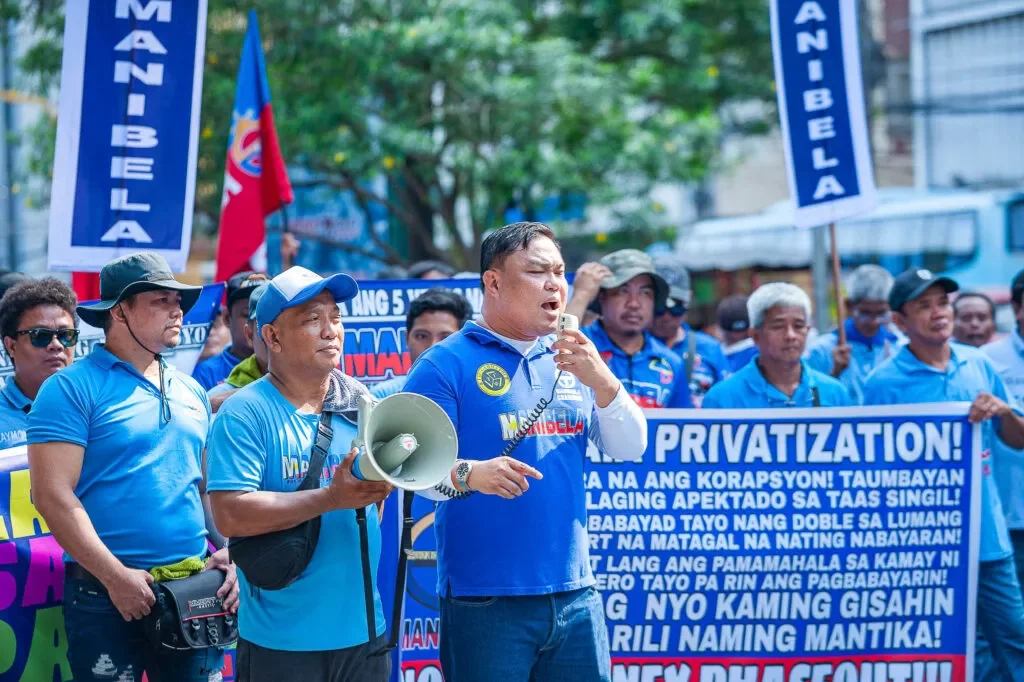
Various progressive groups gather for the Baha sa Luneta 2.0 rally on Sunday, Nov. 30 to denounce massive corruption in government and flood-control projects | Photo by Precious Kae A. Andaya and Justin Jacob S. Urag/ The Varsitarian
In an article for East Asia Forum, Jesus Felipe asserts that tariffs and scandals in the Philippines resulted in the nation missing its growth target of 5.5 to 6.5 percent.
2025 was a difficult year for the Philippine economy. The country missed its growth target of 5.5–6.5 per cent. Confidence fell after the Trump administration announced reciprocal import tariffs in April 2025 and amid corruption scandals later in the year, weakening consumer and investor sentiment. While these shocks will weigh on short-term prospects, growth is expected to recover.
In August 2025, the Trump administration set a 19 per cent tariff on Philippine exports to the United States, up from an average rate of about 4 per cent. Yet, many products are exempt, in particular electronic components. The Philippines was forced to impose a zero per cent tariff rate on US imports, down from an average of almost 8 per cent. Concessions included eliminating tariffs on US automobiles and increasing imports of soy, wheat and medicines.
While the tariffs were unfair, their impact should be limited on the overall economy. The US market represents about 17 per cent of Philippine exports and the exemptions to the reciprocal tariff apply to the most important Philippine exports to the US.
As for the zero per cent tariff in the Philippines for US products, it is not clear that it has been fully implemented. The government has only confirmed a zero per cent rate for cars, wheat, medicines and soybeans and it refuses to lower tariffs on agricultural goods such as rice and poultry. The Philippine Supreme Court is still debating the legality of the tariffs. Slightly lower-priced US imports should also benefit Philippine consumers.