Office Hours: Getting to Know Piphal Heng
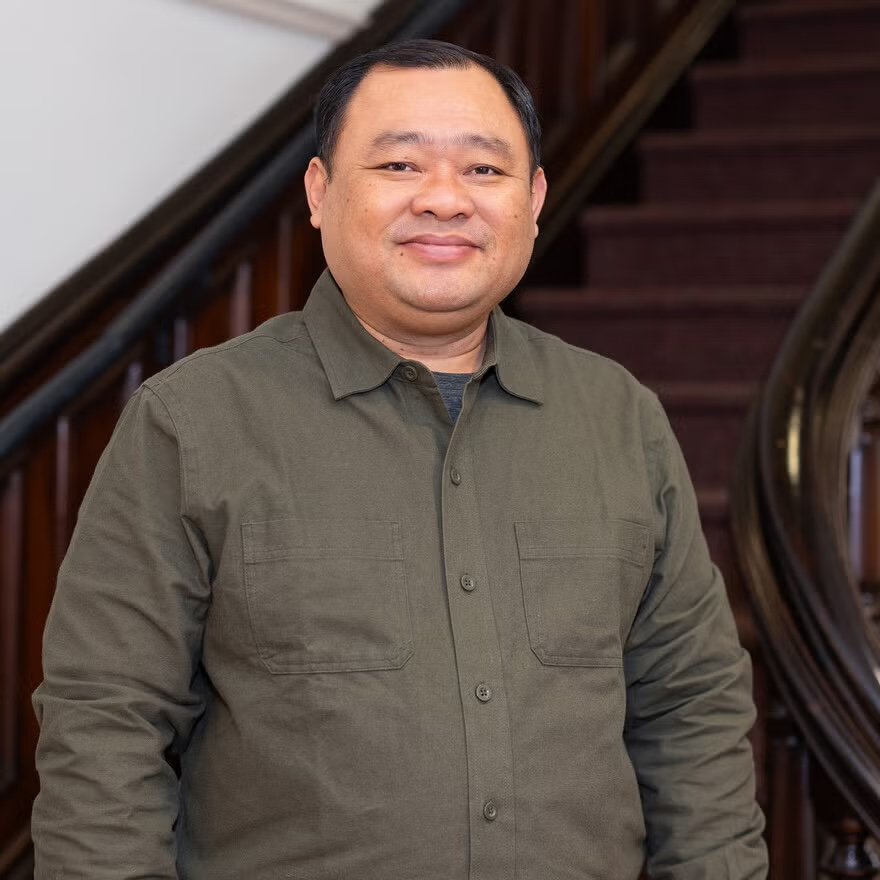
In an interview for Yale News, Yale archaeologist Piphal Heng discusses his investigation into everyday life in Cambodia’s City of Angkor, using material evidence and spatial analysis to understand the way the city evolved.
Yale archaeologist Piphal Heng grew up in Cambodia’s Siem Reap, a city about five miles south of Angkor, the remnant of the vast former capital city of the Khmer Empire that ruled much of mainland Southeast Asia between the 9th and 15th centuries.
The site is best known as the home of Angkor Wat, the famous Hindu-Buddhist temple complex and the world’s largest religious structure. As a child, Heng often visited Angkor Wat with his family to make religious offerings at the pagodas there.
His relationship with the temple complex eventually led him into archaeology. Today, his research focuses on better understanding how people lived in Angkor. Specifically, he studies settlement patterns — where and how people arranged themselves in the landscape — and the ancient city’s political economy, seeking insights on how people sustained themselves and how economy and religion shaped the society and vice versa.