Jakarta’s Remarkable Urban Transit Transformation
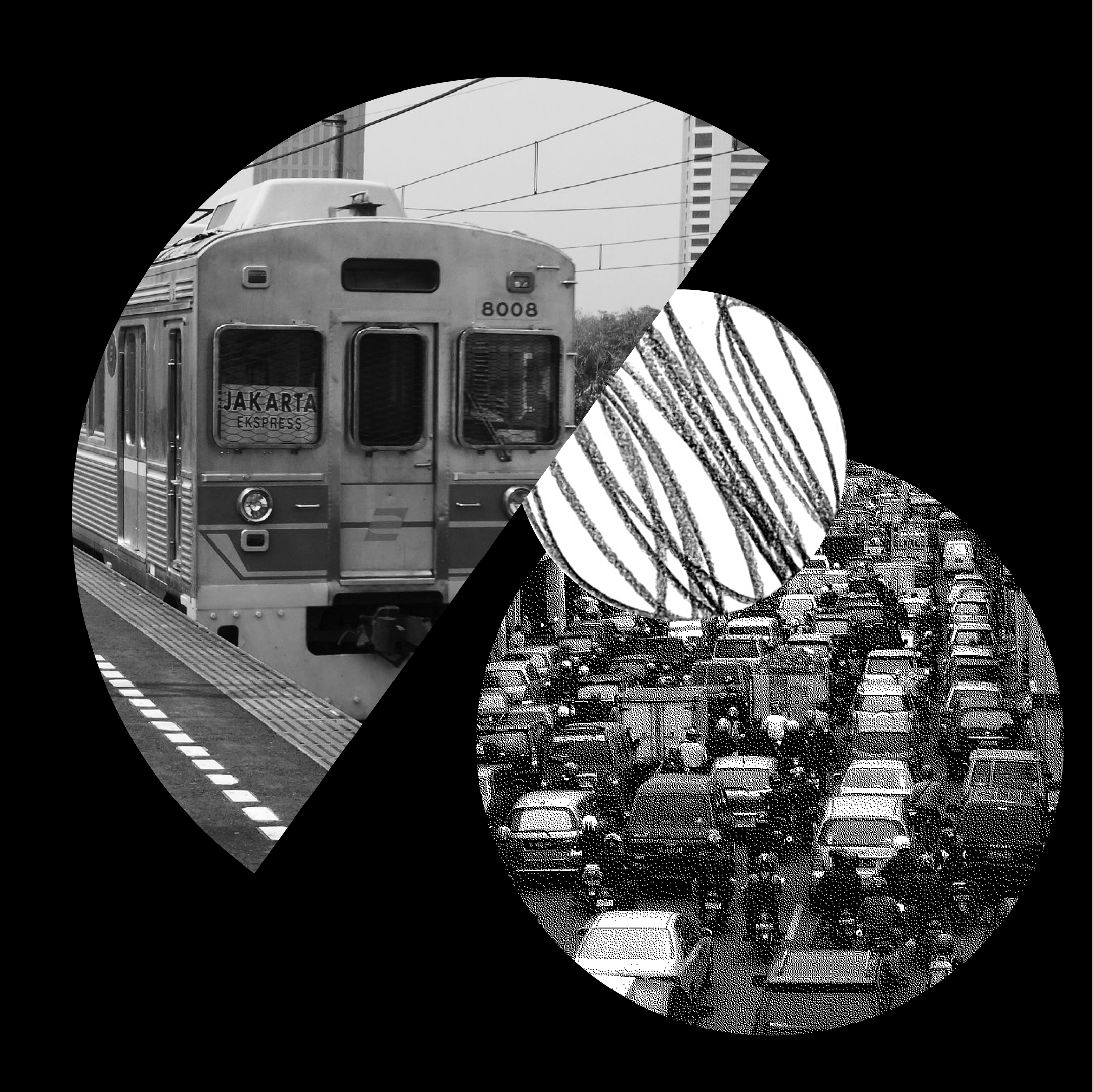
In this article for In Development, Nithin Coca writes about the significant improvements in urban transportation in Jakarta.
For many years, the first word most foreign visitors learned upon moving to Jakarta was macet, traffic jam.
Traffic was so bad that transport experts warned in 2013 that if nothing was done, the city could achieve total gridlock, with every part of the city experiencing a traffic jam. In 2014, Jakarta was crowned the world’s most congested city by the Stop-Start Index and a year later was ranked far below other Asian cities on livability by the Economist Intelligence Unit.
Ten years later, Jakarta has the world’s largest and one of the most used bus rapid transit (BRT) systems. The old, crowded diesel commuter trains, famous for allowing passengers to ride on the roofs, are now electrified, air conditioned, and run on regular schedules linking the suburbs to the city center. There are multiple subway and light rail lines crisscrossing the city. The transformation has been remarkable: in 2015, less than 20% of residents were within walking distance of transit. Now, nearly 90% of the city has access to BRT or trains.