Global South Visions of International Order: A Conversation with Muhammad Suhail Mohamed Yazid
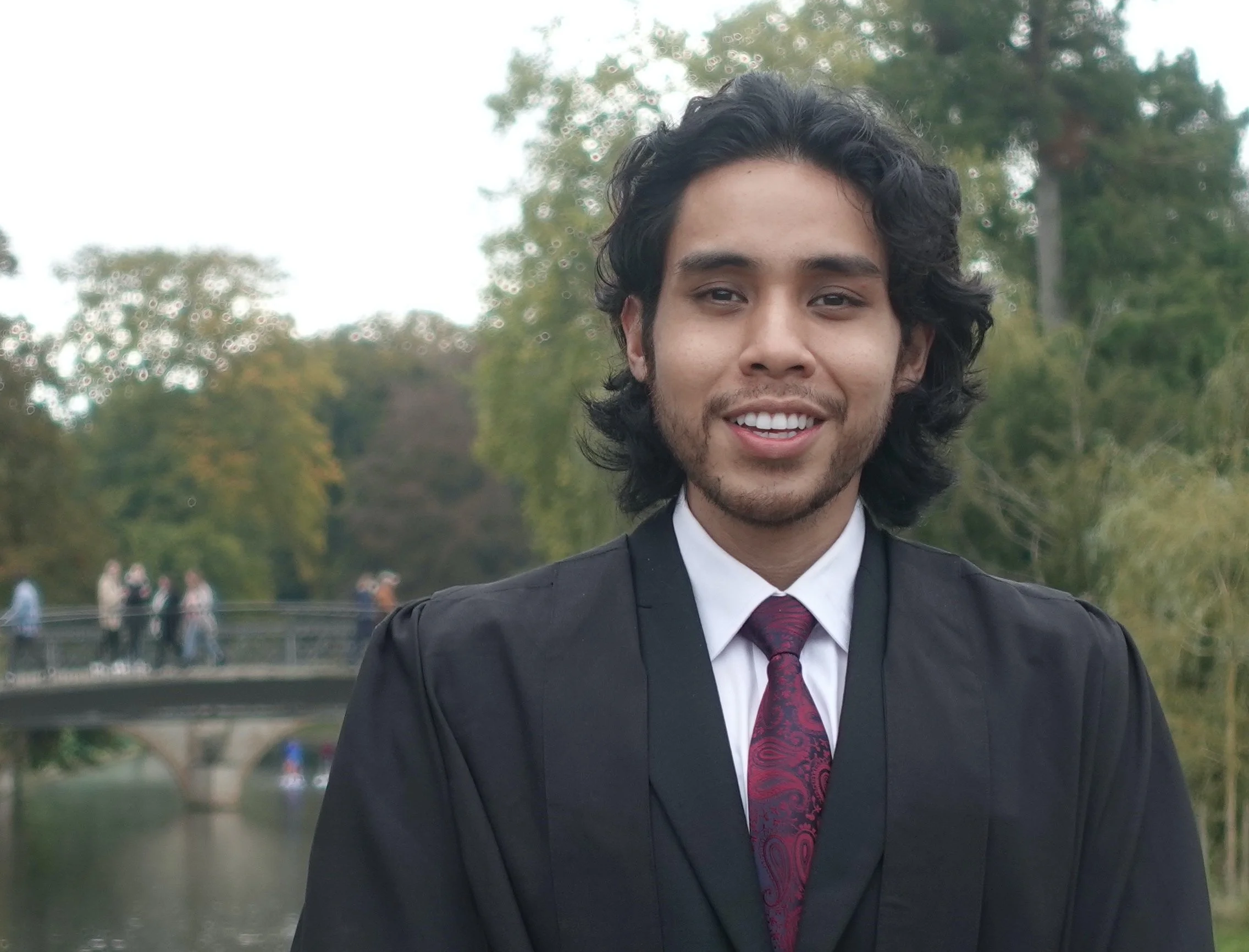
In an interview for the Harvard University Asia Center, Postdoctoral Fellow Muhammad Suhail Mohamed Yazid reflects on his current research, his path to global and international history, and his book projects on postwar Malaysia and Singapore.
Q. Could you briefly describe your primary area of research and what you are working on during your fellowship at the Asia Center?
My research lies at the intersection of three areas of international history: the Cold War, international organizations, and global decolonization. As a specialist in Muslim Southeast Asia, I am writing a book about Malaysian-led efforts to redesign global governance after World War II. It explores how Malaysian leaders shaped the postwar international order by engaging with and challenging different ideas of sovereignty. Smaller states can often influence global historical processes, and my research provides a critical window into the opportunities at their disposal.
Q. Your first journal article, “For the Common Good of All: Global Decolonization and the Malaysian Initiative
for a ‘Muslim Commonwealth,’ 1961–69,” has just been published in the Journal of Global History under your Asia Center affiliation. What is the article about, and why does this moment in global history matter?The article gives you a nice preview of my future book by recovering a lost alternative to secular internationalism: Malaysia’s initiative for a ‘Muslim Commonwealth’. This proposed international organization was Malaysia’s attempt to unify Muslim-majority countries under its leadership. What is curious about this initiative is how eclectic it was. Malaysian Prime Minister Tunku Abdul Rahman fused universal ideas from different intellectual genealogies, like British liberalism, pan-Islamism, and Asianism, to broaden the project’s appeal. The article spotlights the 1960s as a key period in global history when many Global South countries were developing contending visions about how the world should be organized. It also explains why these visions remained visions and nothing more.