U.S.–Asia “Reciprocal” Trade Deals May Have a Short Shelf-Life
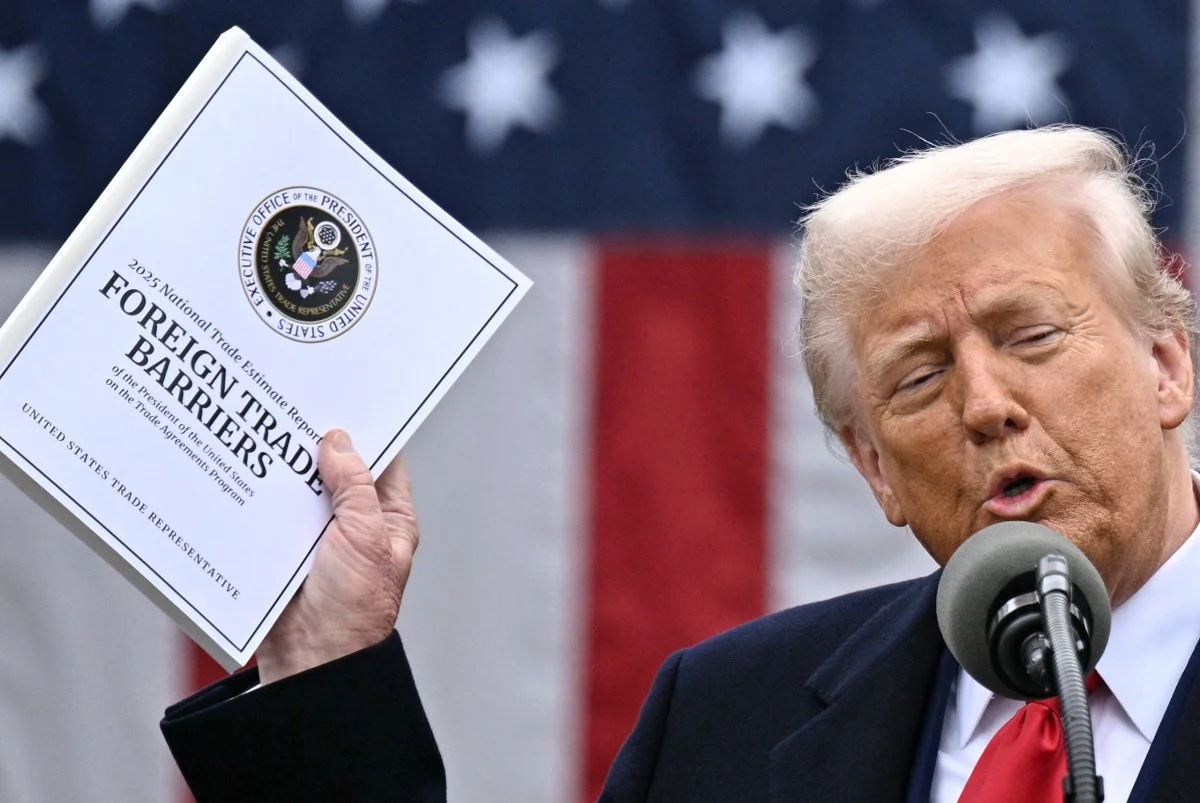
Photo by Brendan Smialowski/AFP via Getty Images
In this article published by Asia Society Policy Institute, Seamus O'Neill asserts that the trade agreements between the United States and Southeast Asia may be short-lived due to increased tensions between the United States and China.
In the months after President Trump’s Liberation Day tariffs upended U.S. trade relationships across Asia, many countries in the region agreed to largely one-sided deals that involved substantial concessions to lower U.S. tariffs and reduce non-tariff measures on imports from the U.S. The deals have led to concerns in several Asian countries, with officials at least privately objecting to their harsh terms. The threat of the Washington hiking tariffs again on these countries seems to be one of the key elements holding these agreements together. Moreover, U.S. presidents—including President Trump’s successors—can modify or discard trade initiatives supported by previous administrations, as has been the practice in recent past. Future presidents may not share Trump’s fixation on trade deficits or admiration for tariffs, but they may terminate, sideline, or renegotiate the latest set of deals based on other priorities. Moreover, Trump’s bypassing of Congressional ratification also leaves his deals more malleable than many prior agreements. As a result, President Trump’s “reciprocal” trade agreements may not endure past his time in office.
Concessions and Objections
These “reciprocal” trade deals with Asian partners, in various stages of negotiation and implementation, have aimed to secure four core objectives: reducing bilateral trade deficits, advancing U.S. economic security interests, expanding market access for U.S. exports, and securing foreign investment in the United States. The emphasis differs in each deal. Japan and South Korea, for example, have pledged hundreds of billions of dollars in investment via manufacturing projects, loans, and other financing vehicles—some of which may be backed by taxpayer dollars if private sector commitments are insufficient. Meanwhile, Cambodia—which has a GDP less than 2% of Japan’s—does not have any dollar figure attached to its investment commitment. Although the Thailand and Indonesia agreements do not have explicit investment commitments, both include mandatory purchases of U.S. goods and other commercial deals.