The Philippines is Failing to Include Indigenous People in Climate Decision Making
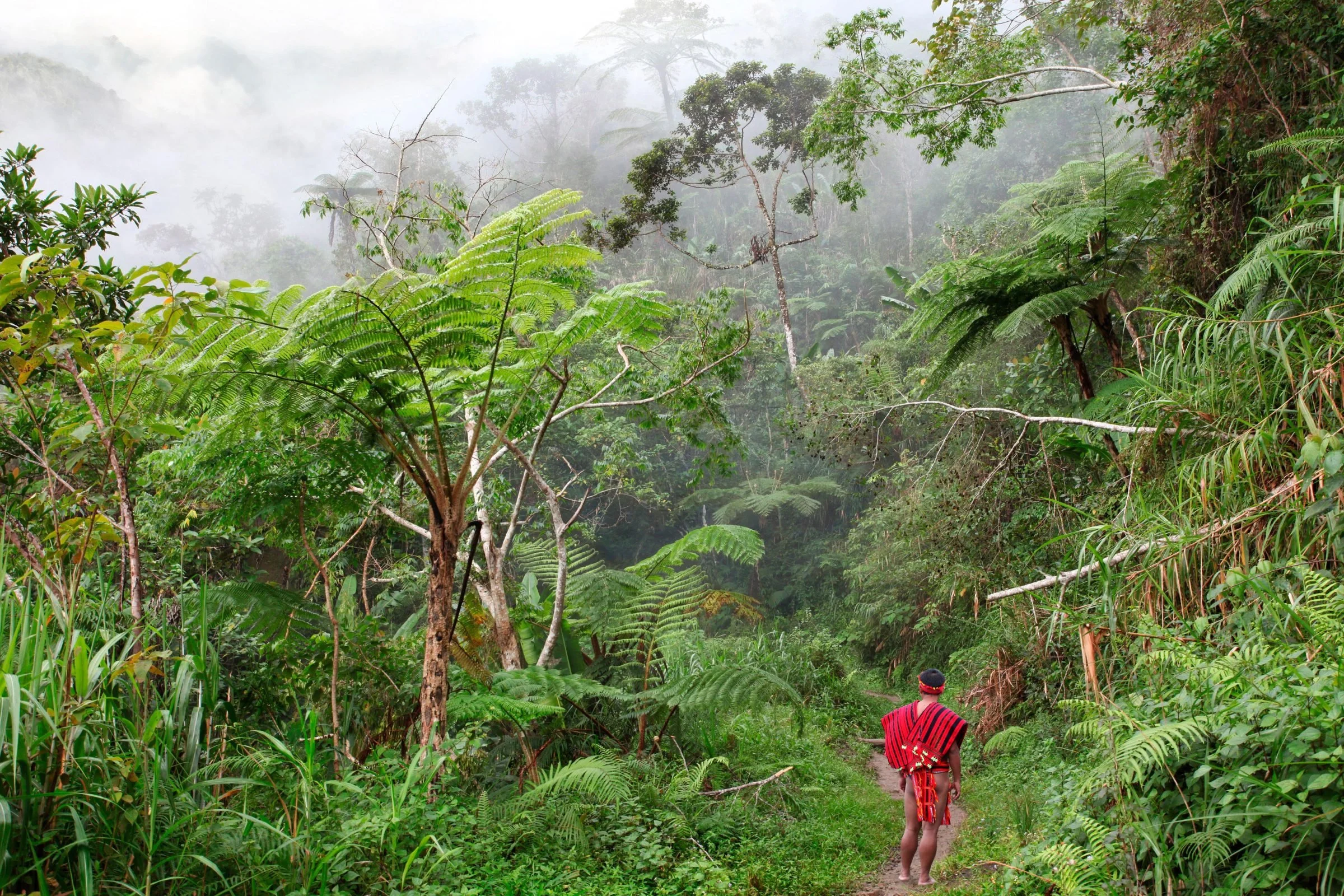
An Ifugao tribe member walks in a rainforest in the Philippine province of the same name. Indigenous territories cover nearly half of the country’s land and are central to conservation efforts, but are under increasing pressure from mining, renewable energy and infrastructure projects | Image: Cavan Images / Alamy
In an article for Dialogue Earth and NYSEAN Partner Mekong Independent, Judy Ann Egay asserts that the Philippines must include Indigenous Peoples in its climate action plan.
As the Philippines moves to make a long overdue update on its climate commitments, Indigenous people – whose territories are crucial to climate efforts – must be central to the conversation. Yet a lack of representation in climate conversations and policy frameworks suggest that they remain on the margins.
In a letter to Dialogue Earth, the Philippines Climate Change Commission, the country’s lead policymaking body on the subject, said its updated Nationally Determined Contribution (NDC) is in the final stages of review before formal submission.
NDCs are climate action plans submitted by countries every five years, outlining how they will contribute to lower emissions and meeting the Paris Agreement target of limiting global warming to 1.5C. Updated plans were supposed to be submitted before September 2025, though several countries, including the Philippines, are behind schedule.
The absence of an updated NDC and a clear net-zero pathway has affected the Philippines’ overall score in the Climate Change Performance Index, which compares 63 countries and the European Union. This year it ranked 19th, down from 7th last year, making it a medium rather than high performer. Notably, the index highlighted human rights violations linked to the country’s expansion of renewable energy, and the threat posed by some hydropower projects to Indigenous communities’ water supply.