Review of “Reimagining Aid: Foreign Donors, Women’s Health, and New Paths for Development in Cambodia”
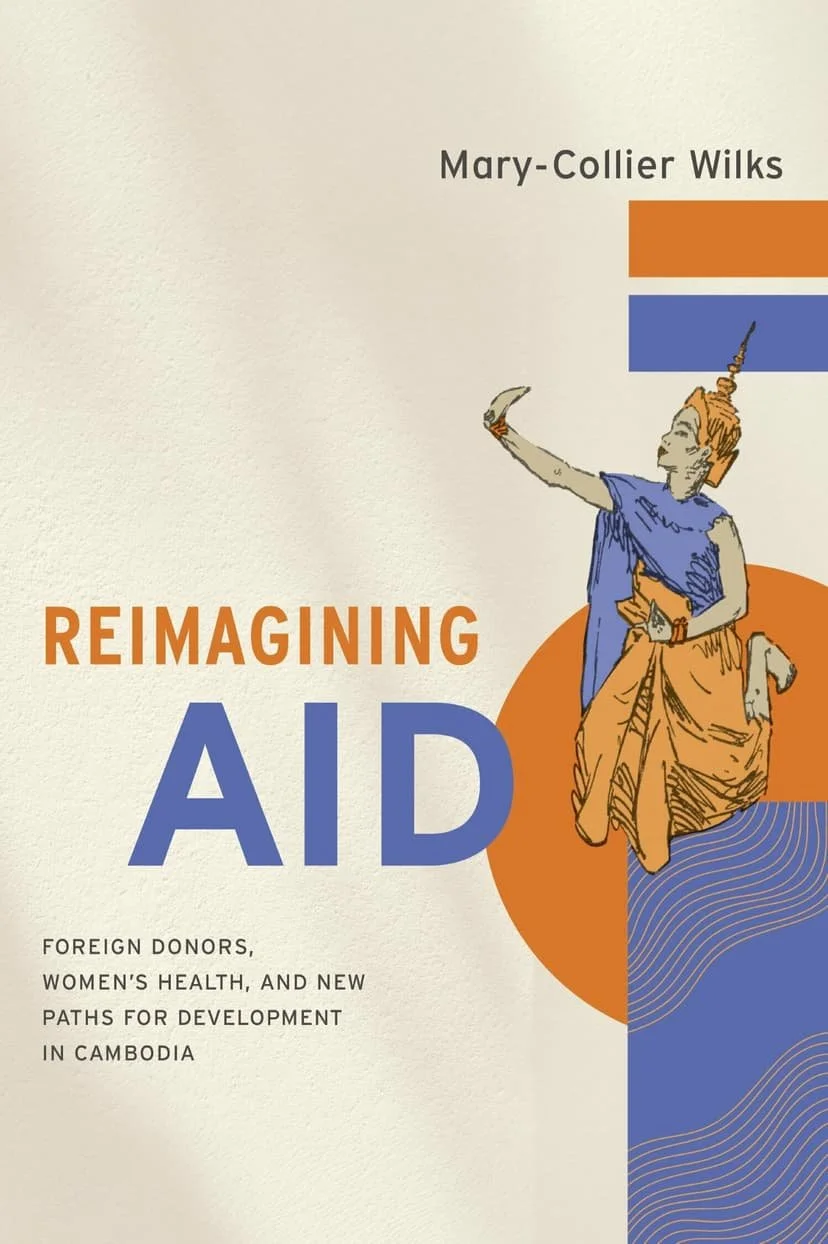
In this article published by Social Forces: An International Journal of Social Research, Tania DoCarmo reviews Reimagining Aid: Foreign Donors, Women’s Health, and New Paths for Development in Cambodia by Mary-Collier Wilks (Stanford University Press, 2026).
Mary-Collier Wilks opens Reimagining Aid at a USAID workshop in Phnom Penh where a debate erupts over whether Western ideas about gender empowerment can coexist with Cambodian culture. One NGO director challenges the use of “culture” to justify gender inequality, while another warns that adopting Western frameworks risks eroding Cambodian cultural identity. Having lived and worked with Cambodian NGOs throughout my career, I recognize Wilks’s rich descriptions of donor-funded trainings, conversations about dependency, and competing visions of Cambodia’s future that permeate the development sector. Wilks identifies an important puzzle for scholars of development, culture, and globalization: as Western hegemony in foreign aid fractures, how do practitioners navigate competing imaginaries of national advancement?
Reimagining Aid is a multi-sited ethnography of two women’s health projects, one funded by the United States through USAID and one by Japan through JICA. Conducted between 2016 and 2024 across donor headquarters in Washington, Tokyo and INGO country offices in Cambodia, the research moves beyond global–local binaries by showing how norms are produced and modified across multiple organizational sites. Cambodian practitioners don’t simply adopt or resist donor demands. They construct “development imaginaries,” contested beliefs about the roles of state, civil society, and gender in national advancement, deploying Asia/West rhetoric to reinforce, reject, or hybridize donor practices.