Kui Elephant Catchers and the Pakam Rope: A journey from Thailand to Cambridge
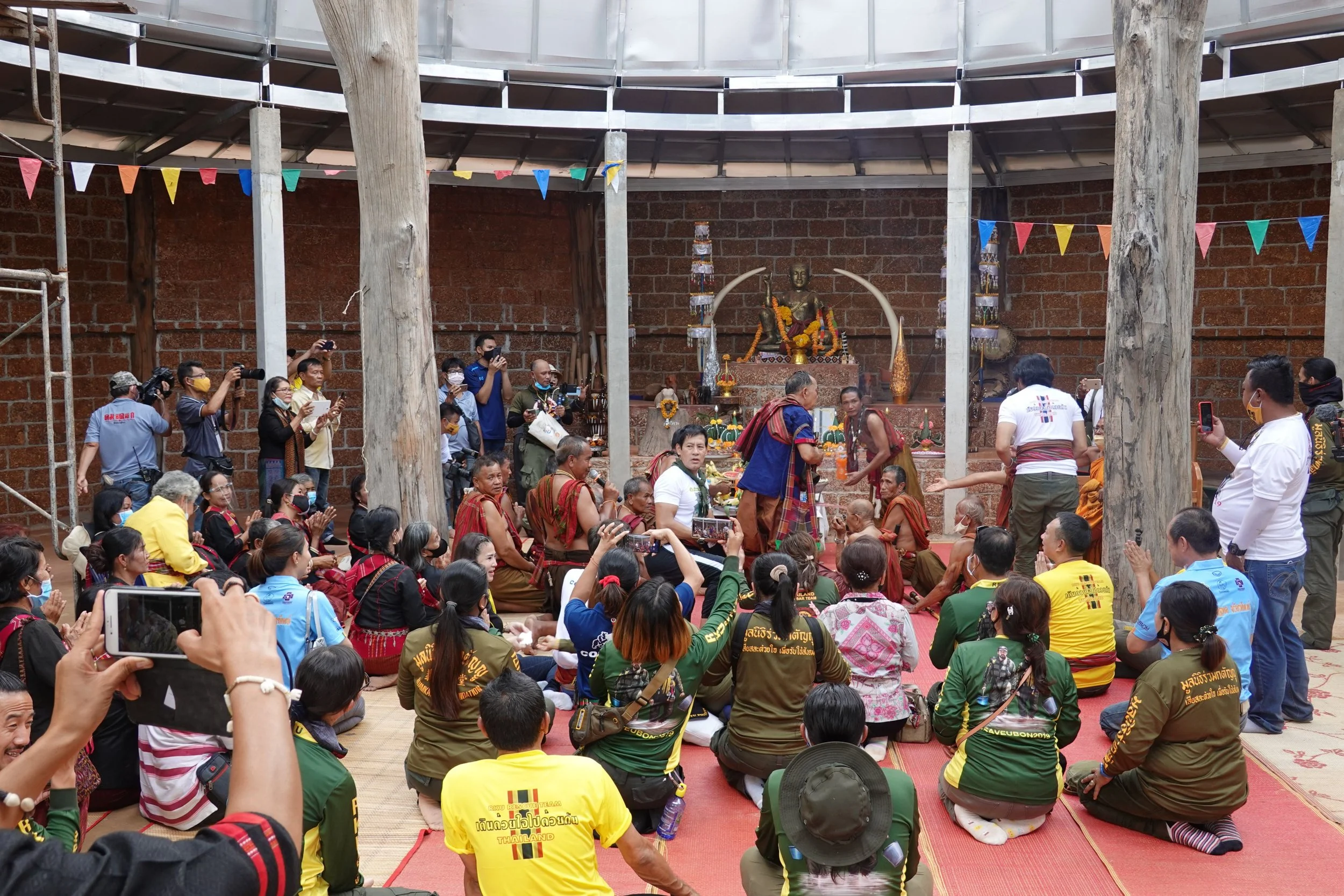
Photograph by Alisa Santikarn
In this digital exhibition for The University of Cambridge Museums and Botanic Garden, Alisa Santikarn and Imogen Coulson showcase the significance of elephant catching and the Pakam Rope in the Kui culture.
In 2023, the Museum of Archaeology and Anthropology (MAA) welcomed a new acquisition – a Pakam Rope (เชือกปะกำ). Scroll through to read more about the rope, the community it came from, and its journey all the way from Surin, Thailand to Cambridge, UK.
The Kui
The ชาวกูย (Kui) people in Thailand are indigenous to the northeast of the country, near the Thai-Cambodian border, centred primarily around the provinces of Surin, Buriram and Sisaket. There are also Kui communities living in Cambodia and Laos. The Pakam rope, which is in collections in the care of the MAA, came from บ้านตากลาง จ.สุรินทร์ (Ta Klang village in Surin Province). The Kui community here is known as the
กูยอาเจียง (Kui Ajiang), meaning ‘elephant people’ in the Kui language. This is because this group of Kui people have a deep relationship with the Asian elephant.