Chinese Energy Investments in Southeast Asia
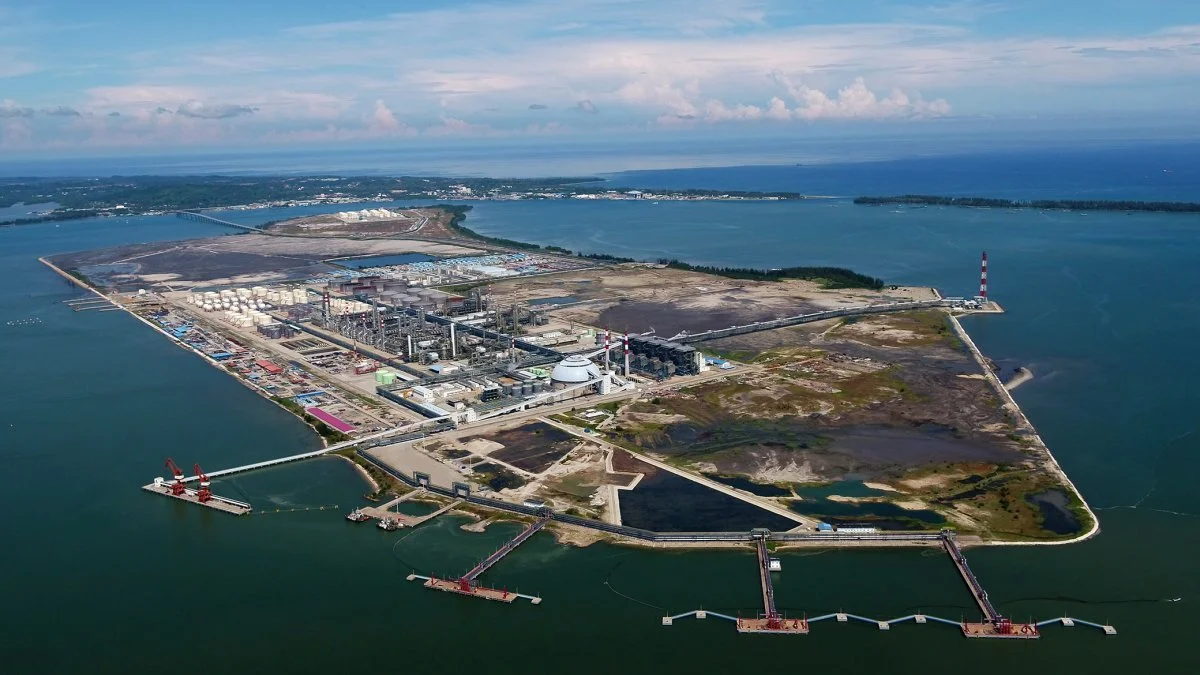
Photo: Xinhua/Xinhua/Getty Images
In a report for Center for Strategic and International Studies, Lauren Mai and Andreyka Natalegawa assess how China’s investments have impacted Southeast Asia’s electricity generation and downstream and midstream energy industries, as well as identify the opportunities and challenges this environment creates for Southeast Asia and the Trump administration’s strategic agenda in the region.
Southeast Asian nations face a daunting challenge in trying to meet the energy needs of booming populations and rapid economic growth while keeping to ambitious carbon neutrality pledges made at the most recent UN climate summits. Previous reports from the CSIS Southeast Asia Program on national energy plans in the region found that many were likely unrealistic even with pledged support from the United States. As a result, major economies in Southeast Asia were expected to both increase dependency on coal usage and seek increased funding and technical assistance from Beijing, which would undermine both their own goals and those of Washington. With the Trump administration revoking Biden-era programs to support energy transitions in the region, including withdrawing from the Just Energy Transition Partnerships in both Indonesia and Vietnam, there is a widening funding gap that China is poised to fill.
To assess how China’s investments have impacted Southeast Asia’s electricity generation and downstream and midstream energy industries, as well as identify the opportunities and challenges this environment creates for Southeast Asia and the Trump administration’s strategic agenda in the region, the Southeast Asia Program engaged in research and conversations with former U.S. government officials and relevant subject matter experts. These conversations informed the findings and recommendations in this report, but all opinions presented are solely those of the authors. This report encompasses all 11 member countries of the Association of Southeast Asian Nations (ASEAN), including the newly acceded Timor-Leste.
To better understand the broader context within which China has made investments in each country’s energy landscape, data from the International Energy Agency is used where available to identify the energy mix of each ASEAN member.