
Organizer: Southeast Asia Program, Cornell University
Type/Location: In Person / Ithaca, NY
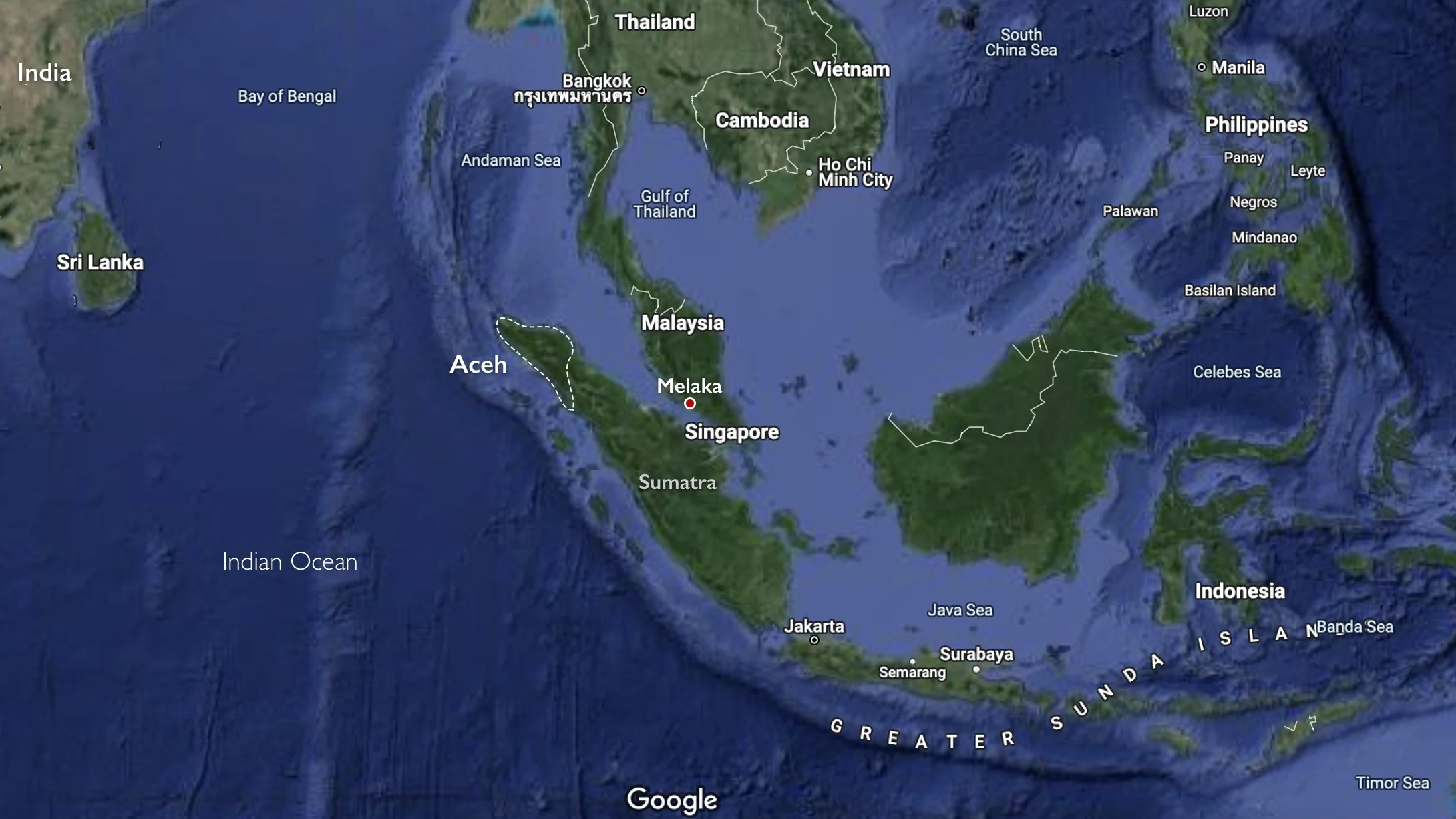
Description:
In 2004 the Indian Ocean tsunami devastated coastal regions in Indonesia, Thailand, Malaysia, Sri Lanka, India and the Maldives, causing massive loss of life and billions of dollars of damage, displacing hundreds of thousands of households, and triggering one of the largest international post-disaster reconstruction efforts in history. It is arguable that the loss of life was so high because few were prepared for a tsunami of that magnitude, as there were then no known historical or geological evidence for paleotsunami in the region. This talk brings together evidence from almost two decades of historical and geo-archaeological research that I have participated in after the 2004 event in Aceh, Indonesia to build a detailed paleo-tsunami history. I discuss how we combined archaeological landscape survey across over 40km of coastal areas surrounding the city of Banda Aceh, with stratigraphic, sedimentological, micro-fossil, and geochronological analysis of deposits uncovered within a cave on the Sumatran coast to conclusively show that the 2004 event was only the most recent in a long history of massive, destructive tsunami that have hit areas inundated by the 2004 tsunami. I end my talk by situating our results within other paleo-tsunami studies conducted around the region to propose an over 7,000 year timeline of major tsunami occurrence in the eastern Indian Ocean.

About the Speaker:
Patrick Daly is a Staff Scientist for Sustainability and Resilience in the Department of Anthropology at Washington University in St. Louis. He completed a PhD. at the University of Oxford in environmental archaeology in 2003, and held post-doctoral and research appointments at Cambridge University and the Asia Research Institute at the National University of Singapore. He founded the Risk and Society research cluster at the Earth Observatory of Singapore, Nanyang Technological University, where he worked as a Principle Investigator until 2024. Employing a combination of anthropological and environmental archaeological methods, his research focuses upon human responses to changing environmental conditions and long-term recovery from large-scale disasters. He has spent the past two decades conducting research on historical hazards across southern Asia and community level recovery following the 2004 Indian Ocean tsunami. He is currently working on a monograph on post-disaster reconstruction: The Aftermath of Aid: Capacity Building, Development and Sustainability in Post-tsunami Aceh.
Registration:
To attend the event in person, please register here.