
Organizer: NYU Espacio de Culturas; Sulo: The Philippine Studies Initiative at NYU; NYU Department of History; NYU Center for Latin American and Caribbean Studies
Type/Location: In Person / New York, NY
Description:
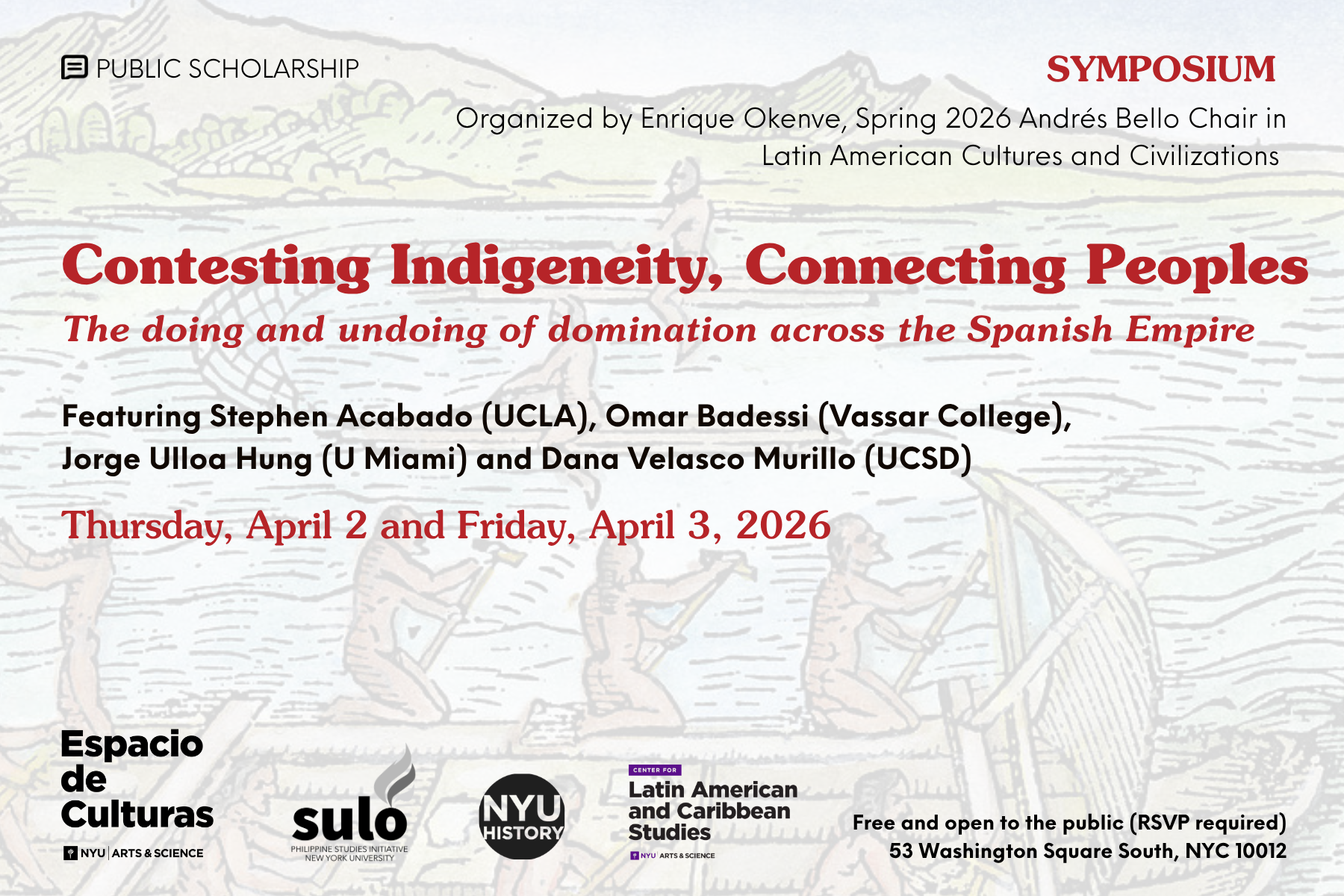
This two-day symposium organized by Enrique Okenve will compare varied, contesting experiences of indigenous peoples and the possible ways in which their responses connected them across territories and throughout time
Day 1: Contestations at the ground level
On Day 1, our invited speakers will examine questions dealing with identity-based strategies to cope with overbearing hegemonic policies, gendered reactions to excessive colonial power, redefinition of indigeneity through divergent responses to colonialism, and reappropriation of indigenous bodies and personhood in challenging colonial policies of domination. These and other questions will focus on cases from the Spanish colonial Caribbean, Mexico, Philippines, and Morocco through the following presentations:
Stephen Acabado (UCLA): The Problem of Indigeneity in the Philippines
Omar Badessi (Vassar): Between the “Friendly Moor” and the “Indomitable Native”: Indigeneity, Gender, and Colonial Contestation in Spanish Morocco
Jorge Ulloa Hung (U Miami): Negotiation, Subversion, and Survival: Indigenous Peoples and Spanish Colonial Governance in the Caribbean
Dana Velasco Murillo (UCSD): Chichimeca Women: Personal Service, Resistance, and Freedom in New Spain: 1570-1600
Followed by discussion and Q&A moderated by Enrique Okenve and Rebecca Goetz (History, NYU).
Day 2: Connections across space and time
On Day 2, our roundtable discussion will draw from the presentations from the day before but don’t worry if you missed Day 1. The roundtable is a stand-alone discussion in which our invited speakers will engage with each other and with the audience in a far-ranging and important conversation. The session will compare how indigenous responses to Spanish colonial power shaped their societies and identities, and examine the present and future role of indigeneity through key questions such as:
Was accommodation the most effective strategy to protect colonized indigenous communities and individuals?
How did individual agendas affect the overall resistance of indigenous societies to colonial power?
What did colonized indigenous women resist against and how effective were they compared to men?
Can we understand indigeneity today beyond the framework of disempowerment and marginalization?
Make sure to join us and bring your own questions to the table!
About the Speakers:
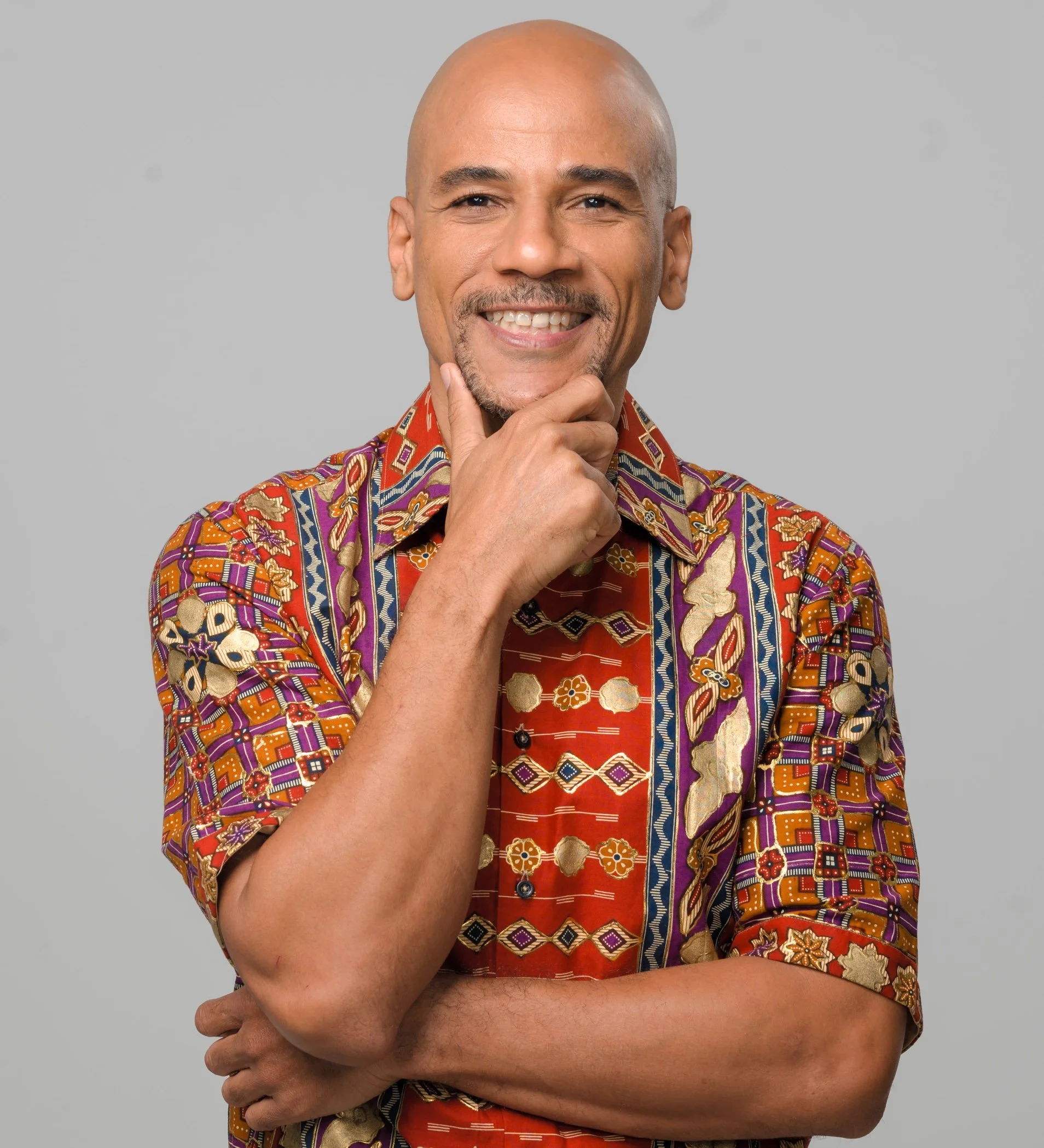
Enrique Okenve is a historian of 19th and 20th-century West Central Africa who teaches at the University of the West Indies, Mona Campus (Jamaica). Born in Spain to an Equatorial Guinean family in exile, his work centers on colonialism, tradition, and power in Equatorial Guinea. Professor Okenve received his BA in History from the Universidad Autónoma in Madrid, his MA in History from SOAS (U. of London), a Diploma in Educational Methodology from the Complutense University in Madrid, and his PhD from the School of Oriental and African Studies at the University of London. Both his Master’s and PhD thesis focused on the history of Equatorial Guinea. He is the author of numerous peer-reviewed articles and a forthcoming book with Ohio University Press.
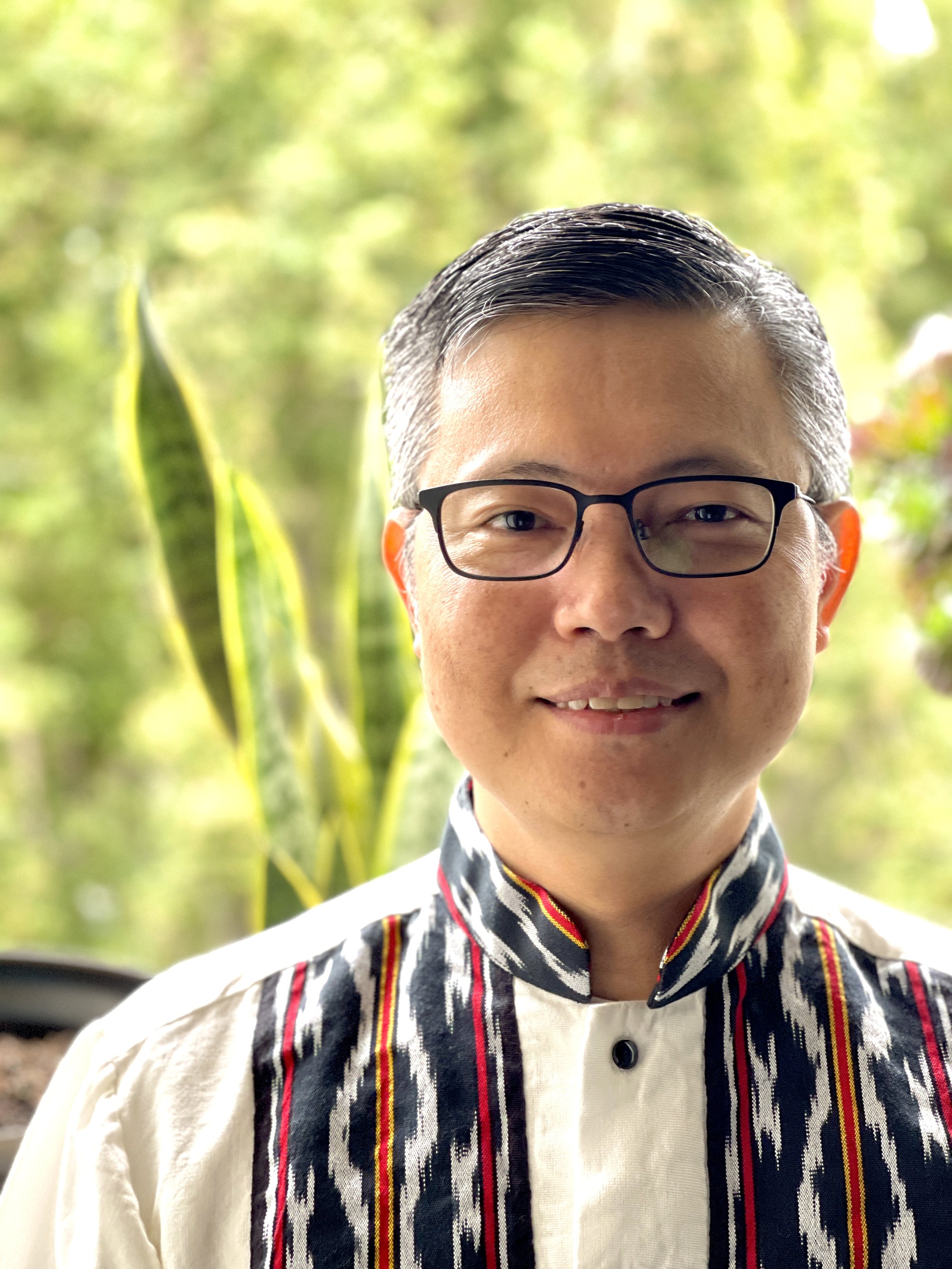
Stephen Acabado is a Professor of Anthropology at the University of California, Los Angeles, and an advocate for Indigenous and community-engaged archaeology. His research examines Indigenous histories and landscapes, with a focus on Southeast Asia. As the principal investigator of the Ifugao Archaeological Project, he has challenged colonial-era narratives about the antiquity of the Ifugao Rice Terraces, demonstrating their role as a response to Spanish colonization. He also directs the Bicol Archaeological Project and is actively involved in the Taiwan Indigenous Landscape and History Project and the Highland Ecology Project in Morocco. His work emphasizes the agency of Indigenous communities in shaping their histories and landscapes, integrating archaeological evidence with local knowledge systems. Acabado is also actively engaged in capacity-building efforts and transdisciplinary collaborations that highlight Indigenous contributions to environmental and cultural sustainability.
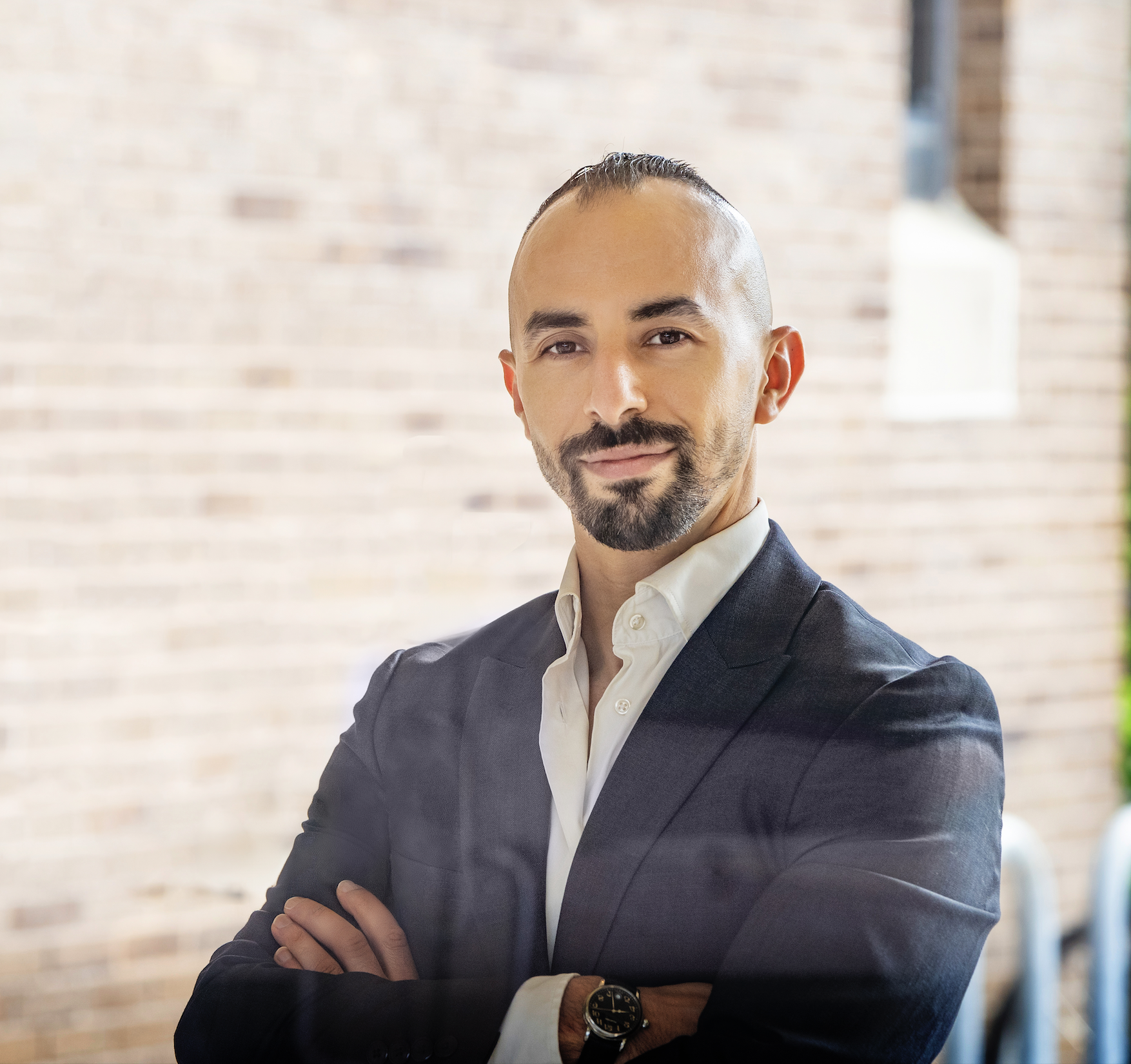
Omar Badessi’s research lies at the intersection of Hispano-Moroccan relationships, with a focus on the medical mission of Spanish colonialism in Morocco. He explores how medical discourse portrayed North Africans as degenerate and “curable,” examining the roles of Spanish physicians and nurses as colonial agents who used medical and Christian discourse to legitimize colonialism. Through his research, Omar aims to advance dialogue and reshape narratives around colonialism’s lasting impact on minority groups today, particularly the native Amazigh communities in North Morocco.
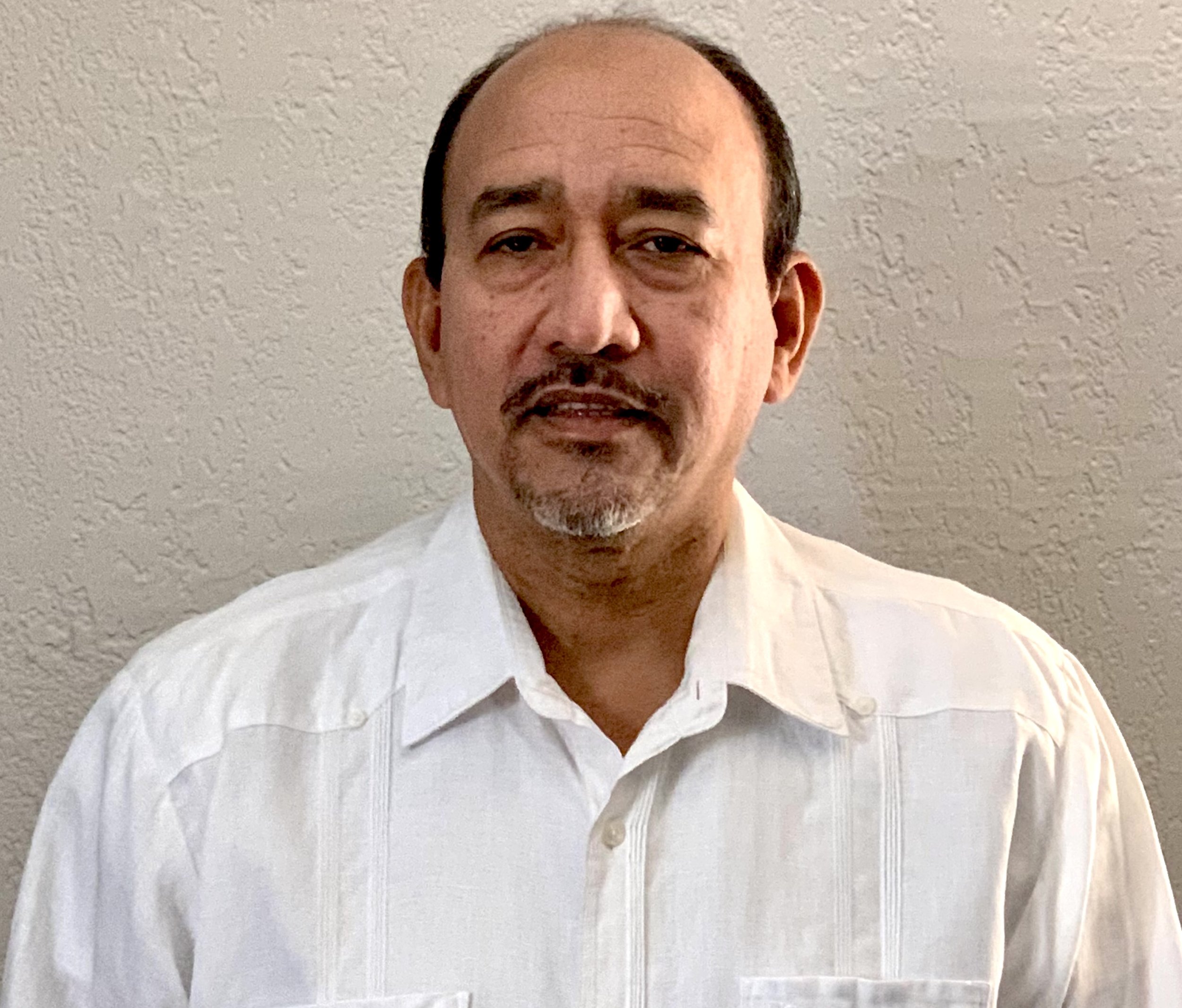
Jorge Ulloa Hung holds a PhD in Archaeology from Leiden University (2013) and was a postdoctoral researcher on the ERC Synergy project NEXUS 1492: New World Encounters in a Globalizing World. His interdisciplinary research integrates archaeological, ethnohistorical, and sociocultural approaches to examine material cultures, landscapes, and Indigenous cultural presences in the Caribbean, particularly in Hispaniola and Cuba. He has held research and curatorial positions at the Technological Institute of Santo Domingo (INTEC) and the Museo del Hombre Dominicano, and currently serves as Lecturer in the Anthropology Department at the University of Miami and Senior Editor of the open-access journal Ciencia y Sociedad.
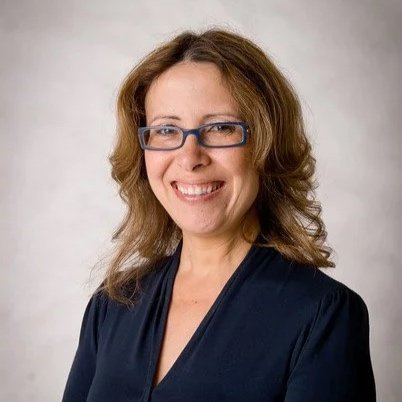
Dana Velasco Murillo is Associate Professor of History at the University of California, San Diego. Her research centers on non-elite communities in colonial Mexico—especially Indigenous peoples and women in the northern silver-mining region. She is the author of Urban Indians in a Silver City (Stanford, 2016) and co-editor of multiple volumes on Indigenous and African resistance in colonial Spanish America; her current book project on the Chichimeca frontier has received major NEH and ACLS fellowships.
Registration:
To attend the event in person, please register here.