
Organizer: The Indonesia Project, Australian National University (ANU)
Type/Location: Hybrid / Canberra, Australia
Description:
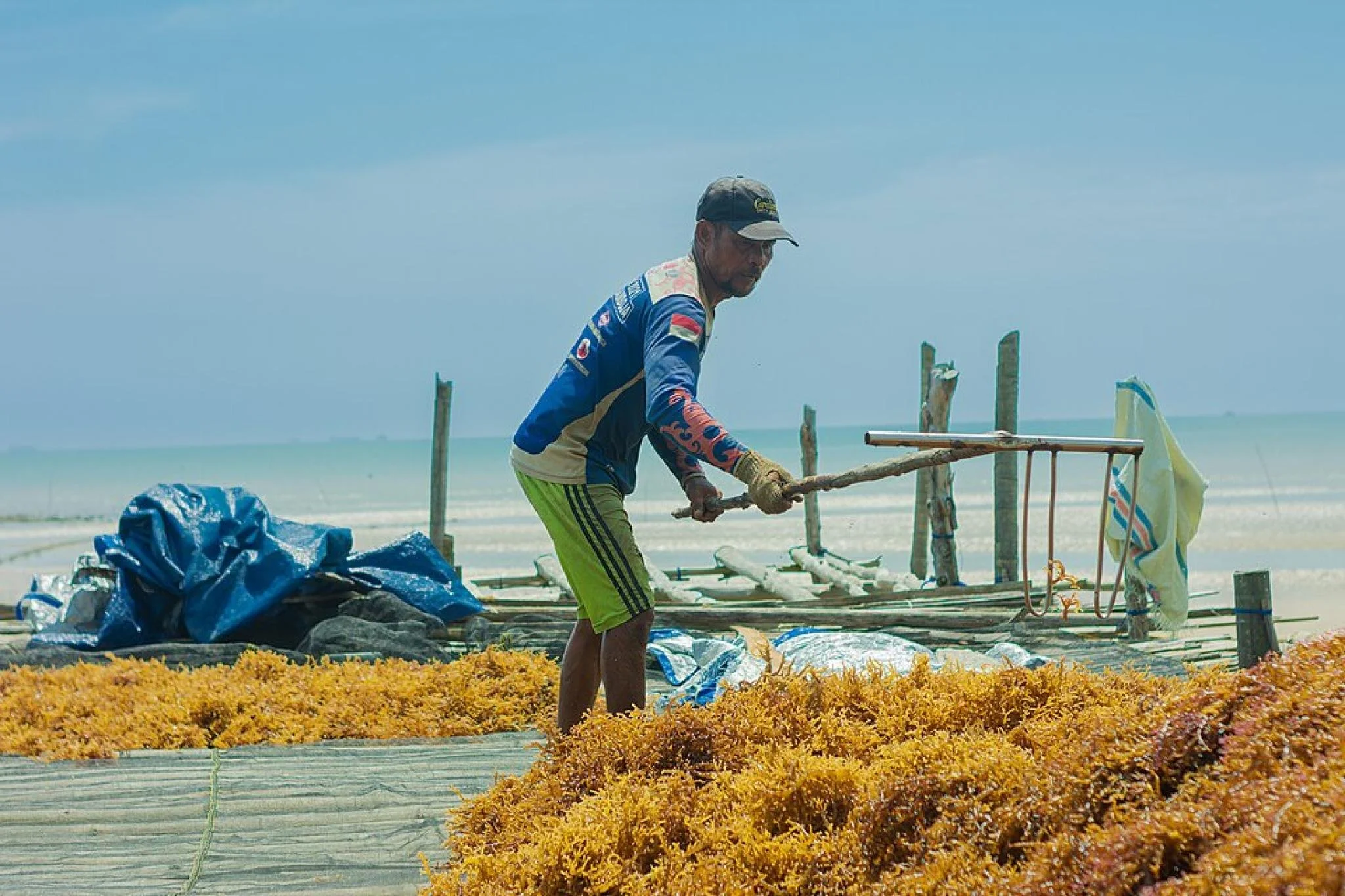
This special Indonesia Study Group (ISG) seminar features two KONEKSI Visiting Fellows currently hosted by the ANU Indonesia Project. Chreisye Mandagi from Sam Ratulangi University and Nurliah Buhari from the University of Mataram will present research addressing critical challenges in health equity and sustainable coastal food systems in Indonesia, with a particular focus on gender, disability and social inclusion (GEDSI). Each speaker will present for 20 minutes, followed by a joint Q&A.
Abstract 1: Strengthening Immunization Resilience through Adaptive Governance in Indonesia’s Remote Border Islands
Chreisye Mandagi, Sam Ratulangi University
Indonesia’s complete basic immunisation (CBI) policy continues to face implementation disparities in archipelagic border regions characterised by fragmented geography, unstable transportation systems, limited cold-chain infrastructure, and strong socio-cultural influences. Existing national immunisation policies remain predominantly standardised and insufficiently adaptive to island governance realities. This study examines how adaptive policy mechanisms can strengthen immunisation governance in remote border islands through a case study of the Sangihe and Talaud Islands in North Sulawesi Province, Indonesia. A mixed-method sequential explanatory design was employed. Quantitative data were collected from 101 mothers of children under five, while qualitative data were obtained through in-depth interviews with 32 stakeholders, including local government officials, health workers, traditional leaders, religious leaders, and community representatives. Findings indicate that immunisation gaps are driven less by individual behavioural factors than by structural governance constraints, including maritime uncertainty, logistical fragility, limited decentralised decision-making authority, and weak intersectoral coordination. The study identifies the mismatch between centralised immunisation policy frameworks and the realities of archipelagic governance. To address this gap, the study proposes the KAIL–KAIT–POLA 2.0 Adaptive Policy Model, emphasising flexible operational arrangements, collaborative governance, culturally embedded communication, and adaptive logistics management. The article contributes to policy studies by extending adaptive governance perspectives into the context of health policy implementation in archipelagic border regions. The findings suggest that resilient immunisation systems in island territories require context-sensitive governance arrangements rather than uniform national policy implementation.
Abstract 2: Unlocking underutilised edible macroalgae for inclusive coastal food system transformation: A GEDSI-based study in Lombok, Indonesia
Nurliah Buhari, University of Mataram
Indonesia is one of the world’s major seaweed producers, yet in many producing communities local consumption remains low, value addition is limited, and the economic and nutritional benefits of marine resources are not equally shared. Nurliah Buhari’s research explores this paradox in selected coastal communities in Lombok. The study examines the socio-economic, cultural and behavioural factors influencing the consumption of edible macroalgae, documents species currently consumed or utilised, and investigates who participates in—and benefits from—coastal seaweed food systems. Using a mixed-methods approach combining household surveys and participatory qualitative research, the project applies a gender equality, disability and social inclusion (GEDSI) lens to map differences in participation, access, control and benefits. The research aims to identify opportunities for transforming underutilised edible macroalgae into a more inclusive and sustainable component of Lombok’s coastal food system.
About the Speakers:

Chreisye Mandagi is a Public Health lecturer at Sam Ratulangi University, Indonesia. Her research focuses on health policy, primary healthcare, immunisation governance and equitable access to services in remote and border communities, with a particular interest in how GEDSI approaches can strengthen inclusive and resilient health systems. She is part of KONEKSI’s Eastern Indonesia Network.
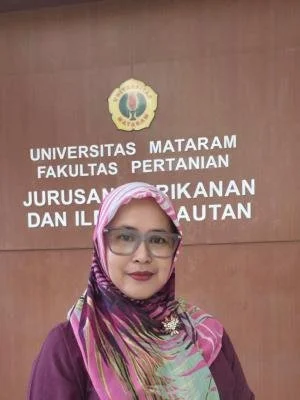
Nurliah Buhari is a marine and fisheries scientist and lecturer at Universitas Mataram. Her research focuses on marine biodiversity, food security, mangrove ecosystems, sustainable fisheries and coastal social-ecological systems. She is a KONEKSI Knowledge Partner for the project Enhancing Evidence-based Marine Policy through the Utilisation of Ocean Accounting.
Registration:
To attend the event in person, please register here.
To attend the event virtually, please join the zoom meeting here.