Philippines Chairmanship: Can ASEAN’s Resilience Hold?
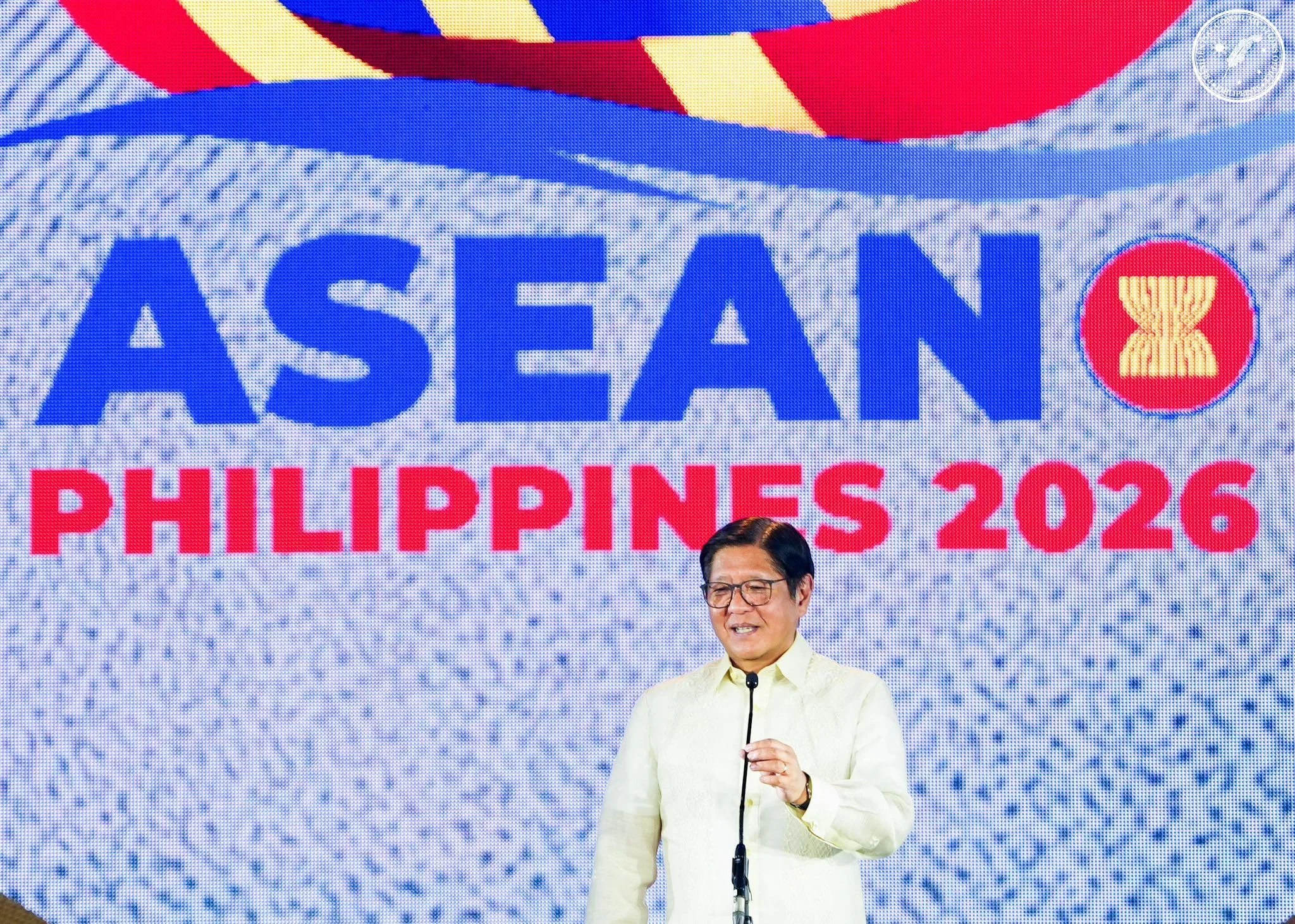
Photo: Presidential Communications Office
In an article for FACTS Asia, Peyson Hunt and Rotha Him assert that the Philippine chairmanship will likely be less about resolving every crisis and more about sustaining ASEAN’s capacity to convene, communicate, and cooperate.
The Philippines assumes the ASEAN chairmanship at a time when the region is navigating sustained and overlapping pressures: US-China strategic competition, Myanmar’s civil unrest, maritime tensions in the South China Sea, and renewed conflict between Cambodia and Thailand. These developments influence ASEAN Member States’ position individually and collectively regarding geopolitics, peaceful dispute resolution, and maritime security.
For Manila, these regional challenges unfold alongside important domestic considerations. Public expectations for protecting maritime rights have strengthened following repeated incidents at sea. Military modernization continues, while political polarization limits the space available for foreign policy decision-making. Leading ASEAN under these conditions requires a careful balance, patience, and a clear sense of priorities.
The Philippine chairmanship therefore becomes a moment less about resolving every crisis and more about sustaining ASEAN’s capacity to convene, communicate, and cooperate. ASEAN with the Philippines as the Chair is likely to experience adjustments of approaches in addressing pressing regional challenges rather than actual conflict resolutions. The central question is whether it can continue to serve as a platform for dialogue during periods of prolonged strain.